
.jpeg)
How effective is Axitinib in treating kidney cancer?
Axitinib (Axitinib) has shown significant efficacy in the treatment of renal cell carcinoma (RCC, kidney cancer). Axitinib is a tyrosine kinase inhibitor that blocks the blood supply of tumors by inhibiting vascular endothelial growth factor receptors (VEGFR), thereby inhibiting tumor growth and spread. The following is an introduction to the efficacy of axitinib in the treatment of renal cancer based on some clinical trial data:
1. Key clinical trials: Clinical trials are one of the main means of evaluating the efficacy of drugs. The AXIS study is an important Phase III clinical trial comparing axitinib with sorafenib, another targeted therapy, in patients with advanced renal cell carcinoma. The study included patients from around the world and looked at the effect of axitinib on extending progression-free survival (PFS).
2. Improvement of progression-free survival:AXISThe primary endpoint of the study is to compare the progression-free survival of the two groups of patients. The results of the study showed that patients treated with axitinib had significantly better progression-free survival than those treated with sorafenib. This means that patients taking axitinib experienced longer time to disease progression, an important clinical metric.
3. Improvement in overall survival: In addition to progression-free survival, axitinib also showed a positive effect on overall survival. Patients lived relatively longer on axitinib, giving them more time to fight the disease.
4. Effectiveness in combating tumor progression: Axitinib not only performs well in delaying disease progression, but also shows a powerful effect in inhibiting tumor growth and spread. By targeting the angiogenesis pathway, the drug limits the blood supply to tumors, thereby slowing tumor cell proliferation.
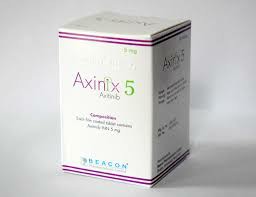
5. Application in clinical practice: Axitinib has been widely used in the treatment of many renal cancer patients. In clinical practice, doctors may decide whether to use axitinib, as well as the specific dosage and treatment regimen, based on the patient's condition, health status, and tolerance.
6. Management of side effects: Although axitinib shows obvious therapeutic effects, it is also accompanied by some possible side effects, including but not limited to hypertension, hand-foot syndrome, fatigue, etc. In clinical applications, doctors need to actively manage these side effects to ensure that patients' quality of life is protected to the greatest extent during treatment.
Taken together, axitinib has shown significant efficacy in the treatment of renal cell carcinoma, especially in prolonging progression-free survival and overall survival. However, patients should fully understand the doctor's recommendations before using axitinib, ensure that the chosen treatment plan meets individual treatment needs, and receive regular monitoring and evaluation by doctors during the medication period to ensure the best treatment effect. In the future, as more clinical studies are conducted, we can expect more insights into the efficacy of axitinib.
Axitinib has been launched in China and has been included in medical insurance. Patients can purchase it domestically. The price of 5mg*28 tablets is about 5,000 to 6,000 yuan. For specific prices, please consult the local hospital pharmacy. There are original and generic axitinib drugs abroad. The original drug is Pfizer's original drug, and the price is about 6,000 yuan; the generic drugs are mainly Bangladeshi generics and Indian generics. The price of Bangladeshi generics in 5mg*60 tablets is more than 1,000 yuan, and the price of Indian generics is around a few hundred yuan. The ingredients of original drugs and generic drugs are basically the same.
[ 免责声明 ] 本页面内容来自公开渠道(如FDA官网、Drugs官网、原研药厂官网等),仅供持有医疗专业资质的人员用于医学药学研究参考,不构成任何治疗建议或药品推荐。所涉药品可能未在中国大陆获批上市,不适用于中国境内销售和使用。如需治疗,请咨询正规医疗机构。本站不提供药品销售或代购服务。


