
.jpeg)
How long does it take to develop resistance to Axitinib?
The occurrence of resistance to axitinib (Axitinib) is a complex and multifaceted problem involving individual differences, tumor biological characteristics, treatment options and other factors. Here are some basic concepts and possible mechanisms of axitinib resistance:
Axitinib is a targeted therapy drug mainly used to treat advanced renal cell carcinoma (RCC). Its mechanism of action is to block the blood supply of tumors by inhibiting vascular endothelial growth factor receptors (VEGFR), thereby inhibiting tumor growth and spread.
Drug resistance refers to the gradual weakening of a patient's response to a drug over a period of time, resulting in a weakened or ineffective treatment effect. For axitinib, drug resistance may manifest as a gradual tolerance of the tumor to the drug, resulting in a reduction in the anti-tumor effect of the drug.
Possible resistance mechanisms
1.Gene variation: Gene variation in tumor cells may lead to changes in drug targets, weakening the inhibitory effect of axitinib. These mutations may affect signaling pathways related to VEGFR and reduce the impact of drugs on tumor cells.
2.Tumor heterogeneity: There are different subpopulations of cells within the tumor, and the sensitivity of these cells to drugs may be different. If some subpopulations of cells are insensitive to axitinib, these cells may gradually dominate the treatment, leading to overall resistance.
3.Therapeutic pressure: Long-term drug treatment may exert selective pressure on tumors, prompting tumors to evolve to adapt to the effects of drugs. This evolution may result in the drug becoming less effective against tumors.
Strategies for managing and delaying drug resistance
1.Monitoring and evaluation: Regular tumor monitoring and evaluation are critical to treatment effectiveness. By monitoring tumor growth and other indicators, doctors can keep track of patients' responses to axitinib and detect possible drug resistance.
2.Adjustment of treatment strategies: When signs of drug resistance are found, doctors may consider adjusting the treatment plan. This may include switching to other targeted therapies, combining other treatments, or adjusting the dose of axitinib.
3.Research on new treatment options: Researchers and doctors are constantly looking for new treatment strategies for drug resistance. Participating in a clinical trial to try new treatments or combinations of treatments may be an option.
Although axitinib has shown significant efficacy in some patients with renal cell carcinoma, the problem of drug resistance still exists. To better understand and manage axitinib resistance, communication between patients and physicians is critical. Timely monitoring, individualized treatment plans and active research are all important means to reduce the risk of drug resistance. As medical research continues to advance, we can expect more progress on resistance mechanisms and management strategies to axitinib and other therapeutic drugs.
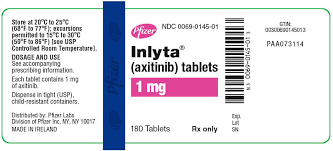
Axitinib has been launched in China and has been included in medical insurance. Patients can purchase it domestically. The price of 5mg*28 tablets is about 5,000 to 6,000 yuan. For specific prices, please consult the local hospital pharmacy. There are original and generic axitinib drugs abroad. The original drug is Pfizer's original drug, and the price is about 6,000 yuan; the generic drugs are mainly Bangladeshi generics and Indian generics. The price of Bangladeshi generics in 5mg*60 tablets is more than 1,000 yuan, and the price of Indian generics is around a few hundred yuan. The ingredients of original drugs and generic drugs are basically the same.
[ 免责声明 ] 本页面内容来自公开渠道(如FDA官网、Drugs官网、原研药厂官网等),仅供持有医疗专业资质的人员用于医学药学研究参考,不构成任何治疗建议或药品推荐。所涉药品可能未在中国大陆获批上市,不适用于中国境内销售和使用。如需治疗,请咨询正规医疗机构。本站不提供药品销售或代购服务。


