
.jpeg)
How to deal with resistance to Axitinib?
AxitinibResistance is a complex and challenging condition that requires careful clinical monitoring and individualized management. Below are possible management strategies and some recommendations, although specific decisions should be made by a professional medical team based on the patient's specific circumstances.
1. Confirm drug resistance
Before any treatment strategy is adopted, it is necessary to confirm whether the patient has actually developed resistance to axitinib. This usually includes a comprehensive evaluation of clinical symptoms, tumor markers, and imaging. Physicians may rely on tumor biomarkers, imaging studies, and a patient's clinical symptoms to determine whether disease progression is present.
2. Reevaluate treatment plan
Once drug resistance is confirmed, doctors need to reassess the patient's overall condition and reformulate treatment plans. Possible strategies include:
Switching treatment drugs: Although the patient is resistant to axitinib, other first- or second-line treatments (such as other targeted therapies or immunotherapy drugs) may still be effective for the patient. Doctors may consider switching to a new treatment regimen to find a drug that is more suitable for the patient.
Combination therapy: Consider combining drugs with different mechanisms to enhance the therapeutic effect. This may include the use of targeted therapy drugs in combination with immunotherapy drugs, or in combination with other targeted drugs.
Clinical Trials: For some patients, participating in a clinical trial may be an option. Research into new therapeutic agents and treatment strategies is ongoing, and by participating in trials, patients may be able to gain access to new treatment opportunities.
3. Individualized treatment plan
Because each patient’s condition and physiology are different, it is crucial to develop an individualized treatment plan. Physicians should develop the most appropriate treatment plan based on the patient's pathological characteristics, health status, treatment history, and possible resistance mechanisms.
4. Comprehensive care and support
While dealing with drug resistance, comprehensive patient care and support is also crucial. This includes attention to the patient's physical and mental health. Patients may face disease progression, uncertainty about treatment, and emotional challenges, so psychosocial support and mental health services are also essential.
5. Monitoring and Adjustment
Adjustment of treatment plans is a dynamic process. Even when switching to a new treatment, doctors still need to closely monitor a patient's response. Regular tumor marker testing, imaging evaluation, and monitoring of clinical symptoms are necessary. During the treatment process, doctors may need to continuously adjust the treatment plan to maintain the patient's quality of life and treatment effects to the greatest extent.
6. Provide end-of-life care
In some cases, especially when treatment options are limited or the patient is medically unfit for more treatment, providing end-of-life care becomes critical. This includes providing care, comfort and support to patients and families to ensure they receive the best possible medical care and quality of life in the final stages of life.
Close collaboration between physicians and patients is critical when managing axitinib resistance. Ongoing communication and shared decision-making help develop the most appropriate treatment plan, while also helping patients better understand and cope with the progression of their disease. As the field of cancer treatment continues to advance, new treatment strategies and drugs may also bring new hope to those patients facing the challenge of drug resistance.
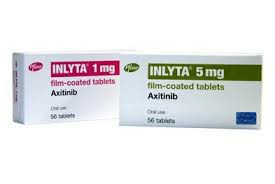
Axitinib has been launched in China and has been included in medical insurance. Patients can purchase it domestically. The price of 5mg*28 tablets is about 5,000 to 6,000 yuan. For specific prices, please consult the local hospital pharmacy. There are original and generic axitinib drugs abroad. The original drug is Pfizer's original drug, and the price is about 6,000 yuan; the generic drugs are mainly Bangladeshi generics and Indian generics. The price of Bangladeshi generics in 5mg*60 tablets is more than 1,000 yuan, and the price of Indian generics is around a few hundred yuan. The ingredients of original drugs and generic drugs are basically the same.
[ 免责声明 ] 本页面内容来自公开渠道(如FDA官网、Drugs官网、原研药厂官网等),仅供持有医疗专业资质的人员用于医学药学研究参考,不构成任何治疗建议或药品推荐。所涉药品可能未在中国大陆获批上市,不适用于中国境内销售和使用。如需治疗,请咨询正规医疗机构。本站不提供药品销售或代购服务。


