
.jpeg)
What are the precautions for Asciminib?
During the clinical studies of Asciminib (Asciminib), warnings and precautions such as bone marrow suppression, pancreatic toxicity, hypertension, hypersensitivity reactions, cardiovascular toxicity , and embryonic-fetal toxicity have emerged. Discontinue and resume at reduced dose upon recovery, or permanently discontinue based on severity.
1. Myelosuppression: Patients receiving aceminib treatment developed thrombocytopenia, neutropenia and anemia. The median time to the first event of thrombocytopenia and neutropenia was 6 weeks; the median time to the first event of anemia was 30 weeks. Patients have a complete blood count every two weeks for the first 3 months of treatment, then monthly or as clinically indicated. Monitor patients for signs and symptoms of myelosuppression.
2. Pancreatic toxicity: 9 out of 356 patients (2.5%) who received aceminib treatment developed pancreatitis. Evaluate serum lipase and amylase levels monthly during patients' treatment with aceminib, or as clinically indicated. Monitor patients for signs and symptoms of pancreatic toxicity. Monitor patients with a history of pancreatitis more frequently. If lipase and amylase elevations are accompanied by abdominal symptoms, temporarily discontinue aceminib and consider appropriate diagnostic testing to rule out pancreatitis.
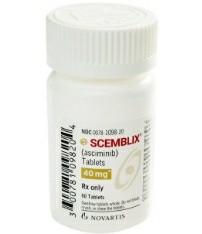
3. Hypertension: 68 (19%) of the 356 patients in the clinical study developed hypertension. Monitor and manage hypertension using standard antihypertensive therapy during treatment with Asiminib as clinically indicated; for grade 3 or higher hypertension, temporarily discontinue, reduce the dose, or permanently discontinue Asiminib based on persistence of hypertension.
4. Hypersensitivity reactions: In clinical studies, 115 of 356 patients (32%) experienced hypersensitivity reactions, including rash, edema and bronchospasm. Monitor patients for signs and symptoms of allergy and initiate appropriate treatment as clinically indicated; for grade 3 or higher hypersensitivity reactions, temporarily discontinue, reduce dose, or permanently discontinue aceminib based on the persistence of the hypersensitivity reaction.
5. Cardiovascular toxicity: Among 356 patients in clinical studies, 46 (13%) and 9 (2.5%) respectively developed cardiovascular toxicity (including ischemic heart and central nervous system diseases, arterial thrombosis and embolic diseases) and heart failure. Cardiovascular toxicity occurs in patients with pre-existing cardiovascular disease or risk factors and /or prior exposure to multiple TKIs. Monitor patients with a history of cardiovascular risk factors for cardiovascular signs and symptoms. Initiate appropriate treatment as clinically indicated.
6. Embryo-Fetotoxicity: Based on findings from animal studies and their mechanisms of action,Aceminid can cause harm to the fetus when given to pregnant women. In animal reproduction studies, administration of aceminid to pregnant rats and rabbits during the period of organogenesis resulted in adverse developmental outcomes, including embryonic and fetal mortality and malformations at maternal exposure (AUC) ≤ the recommended dose in patients.
Inform pregnant women and women of the potential risk to the fetus if aceminix is used during pregnancy or becomes pregnant while taking the drug. Verify pregnancy status in females of reproductive potential before initiating treatment with aceminib. Females of reproductive potential should use effective contraception during treatment and for 1 week after the last dose.
[ 免责声明 ] 本页面内容来自公开渠道(如FDA官网、Drugs官网、原研药厂官网等),仅供持有医疗专业资质的人员用于医学药学研究参考,不构成任何治疗建议或药品推荐。所涉药品可能未在中国大陆获批上市,不适用于中国境内销售和使用。如需治疗,请咨询正规医疗机构。本站不提供药品销售或代购服务。


