
.jpeg)
What is the hypoglycemic effect of Sitagliptin?
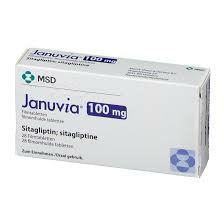
Sitagliptin (Sitagliptin) is a dipeptidyl peptidase-4 (DPP-4) inhibitor and is widely used in the treatment of type 2 diabetes. Its main function is to increase glucagon (GLP-1) levels by inhibiting DPP-4enzyme activity, thus helping to regulate blood sugar levels. The following will explore the hypoglycemic effect of sitagliptin based on clinical experimental data.
1. Clinical trial data review:
A number of clinical trials have conducted detailed studies on the hypoglycemic effect of sitagliptin, and some of the more significant results are:
a. Short-term trials: Short-term clinical trials are usually conducted over weeks to months to evaluate the immediate effects of a drug on blood sugar. A short-term trial found that in patients with type 2 diabetes, sitagliptin significantly reduced fasting and post-meal blood glucose levels compared with placebo.
b. Long-term trials: Long-term trials often last from months to years and evaluate the long-term efficacy of the drug by observing the effects of the drug on patients over a longer period of time. A multicenter, randomized, placebo-controlled study found that patients in the sitagliptin treatment group showed a significant decrease in HbA1c (glycated hemoglobin) within 52 weeks, with a significant difference compared with the placebo group.
c. Combination therapy trials: Sitagliptin can often be used in combination with other oral hypoglycemic drugs or insulin to enhance the hypoglycemic effect. A combination therapy trial found that the combination of sitagliptin and metformin achieved significant results in improving glucose metabolism, especially in reducing fasting blood glucose and HbA1c levels.
2. Mechanism analysis of hypoglycemic effect:
The hypoglycemic mechanism of sitagliptin mainly involves inhibitingDPP-4enzyme and increasingGLP-1 biological activity. GLP-1 is a hormone secreted in the intestines. It can stimulate the secretion of insulin, inhibit the release of glucagon, slow down the absorption of glucose in the gastrointestinal tract, thereby lowering blood sugar levels. By prolonging the life cycle of GLP-1, sitagliptin can provide sustained hypoglycemic effects.
3. Individual differences and safety:
Although sitagliptin shows good hypoglycemic effects in most patients, individual differences still exist. Some patients may respond more dramatically to medications, while others may require higher doses to achieve ideal blood sugar control. In addition, the relatively mild hypoglycemic effect of sitagliptin helps reduce the occurrence of hypoglycemia, which may be an advantage in some patients.
Taken together, sitagliptin, as an oral anti-diabetic drug, regulates blood sugar by inhibiting DPP-4enzyme and increasing GLP-1 levels. Clinical trial data shows that it exhibits significant hypoglycemic effects in both the short and long term, especially in improving HbA1c. In terms of combination therapy, the combination of sitagliptin and other drugs has also achieved good results.
However, for each patient, the choice of drug still needs to be based on his or her individual condition and the recommendations of his or her physician. Patients should pay close attention to blood sugar monitoring during medication and have regular follow-up visits to ensure the efficacy and safety of the medication. Overall, the glucose-lowering effects of sitagliptin in the treatment of type 2 diabetes make it a popular drug choice.
[ 免责声明 ] 本页面内容来自公开渠道(如FDA官网、Drugs官网、原研药厂官网等),仅供持有医疗专业资质的人员用于医学药学研究参考,不构成任何治疗建议或药品推荐。所涉药品可能未在中国大陆获批上市,不适用于中国境内销售和使用。如需治疗,请咨询正规医疗机构。本站不提供药品销售或代购服务。


