
.jpeg)
Trametinib combined with dabrafenib is more effective than chemotherapy in the treatment of BRAF mutant glioma
First-line treatment with trametinib and dabrafenib improves outcomes compared with standard chemotherapy in children with BRAFV600-mutated low-grade glioma, according to published research. In this phase 2 trial, trametinib plus dabrafenib was associated with improvements in overall response rate (ORR) and progression-free survival (PFS), as well as reduced toxicity.
The trial (NCT02684058) included110 patients aged 1 to 17 years who had been previously treated for BRAFV600-mutated low-grade glioma. Patients were randomly assigned to receive either dabrafenib plus tramatinib (n=73) or carboplatin plus vincristine (n=37) as standard chemotherapy. Baseline characteristics were well balanced between arms. The median follow-up time was 18.9 months. The median duration of treatment exposure was 17.4 months in the trametinib-dabrafenib group and 7.8 months in the chemotherapy group. Nine patients were switched from the chemotherapy group to the trametinib-dabrafenib group after disease progression.
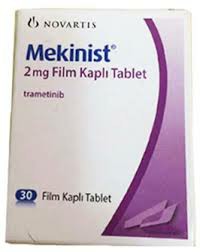
The ORR of the trametinib-dabrafenib group was significantly higher than that of the chemotherapy group, 47% and 11% respectively (risk ratio [RR], 4.31; 95% confidence interval, 1.7-11.2; P<0.001). Disease control rates were 86% and 46%, respectively (RR, 1.88; 95% confidence interval, 1.3-2.7). Two cases in the trametinib-dabrafenib group had complete remission, and 1 case in the chemotherapy group had complete remission. The median duration of response was 20.3 months, and the chemotherapy group was not evaluable. The median PFS of the trametinib-dabrafenib group was significantly longer than that of the chemotherapy group, 20.1 months and 7.4 months respectively (hazard ratio, 0.31; 95% confidence interval, 0.17-0.55; P<0.001); the 6-month PFS rate was 87%, compared with 58% in the chemotherapy group. The 12-month PFS rates were 67% and 26%, respectively.
There were no deaths among patients assigned to the trametinib-dabrafenib group. There was 1 patient death ( due to glioma) who was assigned to the chemotherapy group and was transferred to the trametinib-dabrafenib group after progression. The incidence of treatment-related adverse events (AEs) in trametinib-92% in the dabrafenib group and 97% in the chemotherapy group, and the incidence of grade 3 or higher treatment-related AEs was 26% and 88%, respectively. The most common grade 3 or higher AEs in the trametinib-dabrafenib group were moderate Neutropenia (10%). The most common grade 3 or higher AEs in the chemotherapy group were decreased neutrophil count (48%), neutropenia (30%), anemia (24%), and decreased white blood cell count (15%).
This randomized trial demonstrates the superiority of trametinib plus dabrafenib as the first systemic treatment for pediatric patients with BRAF V600-mutated low-grade glioma compared with standard chemotherapy of carboplatin plus vincristine. Collectively, these findings demonstrate the value of early molecular testing in children with low-grade glioma to determine the presence or absence of BRAF V600 mutations.
[ 免责声明 ] 本页面内容来自公开渠道(如FDA官网、Drugs官网、原研药厂官网等),仅供持有医疗专业资质的人员用于医学药学研究参考,不构成任何治疗建议或药品推荐。所涉药品可能未在中国大陆获批上市,不适用于中国境内销售和使用。如需治疗,请咨询正规医疗机构。本站不提供药品销售或代购服务。


