
.jpeg)
The role of Sotorasib and its efficacy in treating lung cancer
Sotorasib is an innovative anti-cancer drug targeting KRAS G12C mutant non-small cell lung cancer (NSCLC). KRAS G12C mutation is a common cancer-related gene mutation that has been found in a variety of cancers, especially in NSCLC patients. The mechanism of action of sotorasiib is mainly by specifically inhibiting the activity of KRAS G12C mutant, thereby blocking abnormal cell signaling pathways and inhibiting the growth and spread of tumors.
1. Mechanism of action:
The key role of sotorasiib is to interfere with its normal cell signaling pathway by binding to KRAS G12C mutant. KRAS G12CThe mutation drives the growth and division of cancer cells, and the inhibitory effect of sotorasiib is expected to block this abnormal process. This highly specific targeted treatment mechanism is more targeted than traditional chemotherapy drugs and is expected to minimize damage to normal cells and improve the safety of treatment.
2. Treatment effect:
Clinical Trials: Clinical trial data of sotorasiib showed encouraging anti-tumor activity in some patients with KRAS G12CmutantNSCLC. Some patients show signs of tumor shrinkage or stabilization after treatment, providing new treatment opportunities for patients who once had limited responses to traditional treatments.
Survival Advantage: Research also shows that the use of sotorasib is associated with a modest survival advantage, particularly in patients who have no other treatment options or for whom previous treatments have failed.
Relieving symptoms: In addition to its therapeutic effect on the tumor itself, sotoracib is expected to improve the quality of life of patients and relieve symptoms related to lung cancer, such as dyspnea, cough, etc.
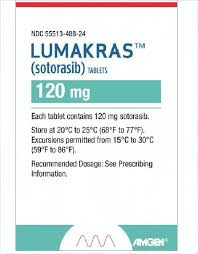
3. Clinical application prospects:
The introduction of sotorasiib marks an important therapeutic breakthrough for patients with KRAS G12CmutantNSCLC. This mutation is relatively common in lung cancer, for which treatment options have previously been limited.
The clinical application prospects of this drug are exciting and may become a key component in the future treatment of non-small cell lung cancer.
4. Notes and potential challenges:
Although sotoraxib shows some therapeutic potential, it may still be accompanied by some side effects during use. Patients need to be monitored by a doctor regularly during the medication period to detect and deal with any possible discomfort symptoms in a timely manner.
Due to the specificity of the drug, some patients may develop resistance to sotoraxib, so patient response needs to be closely monitored during treatment and the treatment regimen adjusted if necessary.
Overall, sotoracib represents the best choice forKRAS G12CAn important advance in the treatment of mutant non-small cell lung cancer. However, patients should have in-depth communication with their doctor before using the drug to fully understand the treatment options, possible effects and potential risks, so as to make informed treatment decisions. In the future, as more research and practical experience with this drug accumulates, we can hopefully gain a more complete understanding of its role in the treatment of NSCLC.
The original drug of sotorasibu has not yet been launched in China, so patients cannot purchase it domestically and need to purchase sotorasibu through overseas channels. The price of the original research version of sotorasibu in Hong Kong, China, is 120mg*240 tablets, which is around 8 million. The price of the European version of the original research drug with the same specifications is around 4 million, which is relatively expensive. The cheaper ones are the generic drugs marketed abroad. For example, the price of generic drugs in Laos and Bangladesh is around two to three thousand yuan. The price is relatively cheap, and the ingredients of foreign generic drugs are basically the same as the original drugs.
[ 免责声明 ] 本页面内容来自公开渠道(如FDA官网、Drugs官网、原研药厂官网等),仅供持有医疗专业资质的人员用于医学药学研究参考,不构成任何治疗建议或药品推荐。所涉药品可能未在中国大陆获批上市,不适用于中国境内销售和使用。如需治疗,请咨询正规医疗机构。本站不提供药品销售或代购服务。


