
.jpeg)
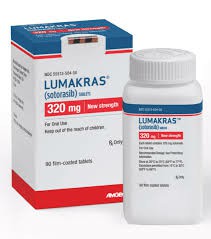
Clinical application of Sotorasib
Sotorasib provides a new treatment option for patients with KRAS G12C mutated non-small cell lung cancer, but patients need to remain patient during treatment and conduct comprehensive monitoring and management under the guidance of a doctor to ensure the best treatment effect.
1. Clinical Application Overview: Sotoracib is a targeted therapy for KRAS G12C mutant non-small cell lung cancer (NSCLC). KRASgene mutations have been found in a variety of cancers, among which G12C mutations are more common in NSCLC. Sotoracib specifically inhibits the activity of the KRAS G12C mutant and blocks abnormal signaling pathways, thereby preventing the growth and spread of cancer cells.
2. Overview of clinical trial data:
2.1. Clinical trial phases: Clinical trials of sotoraxib usually include multiple phases, including early clinical trials (Phase I) and subsequent expansion trials (Phase II/III). These trials are designed to evaluate a drug's safety, tolerability, optimal dosage, and its efficacy in patients.
2.2. Efficacy data: Some previous studies and clinical trial results have shown that sotoraxib exhibits certain anti-tumor activity in patients with KRAS G12C mutantNSCLC. In some patients, tumor shrinkage or stabilization was observed after treatment, providing a new treatment option for patients in this specific subtype.
2.3. Survival advantage: Some preliminary data suggest that patients taking sotoraxib may experience some survival advantage, particularly among patients who have had limited or no response to conventional treatments. This survival advantage may require longer observations and larger studies to confirm.
2.4. Resistance and treatment modification: Similar to other targeted therapies, use of sotoraxib may be associated with a certain degree of resistance. Therefore, researchers and physicians are working to understand the mechanisms of resistance and find appropriate treatment modification strategies to maintain the effectiveness of the drugs.
3. Future Outlook:
The clinical application prospects of sotoracib are relatively optimistic, especially in terms of providing a new treatment option for KRAS G12CmutantNSCLC patients. However, more research is needed to further confirm its efficacy and explore the potential use of this drug in other cancer types.
4. Notes and challenges:
4.1. Side effects and safety: In clinical application, doctors need to pay attention to the side effects of sotoraxib and the safety of patients. Some common side effects may include fatigue, nausea, diarrhea, etc., which need to be addressed and managed promptly.
4.2. Individualized treatment: Taking into account the individual differences of patients, treatment with sotorasib may need to be more individualized, including adjusting the treatment plan according to the patient's genotype, medical history and other factors.
4.3. Comprehensive treatment strategy: Sotorasib may be included in a comprehensive treatment strategy and combined with other treatment methods (such as radiotherapy, chemotherapy, etc.) to improve the treatment effect.
The clinical application of sotorasiib is bringing new treatment opportunities to KRAS G12CmutantNSCLC patients. Although some clinical trial data show the potential efficacy of the drug, further large-scale studies are needed to fully understand its performance and long-term effects in different patient groups. Over time, sotorasiib may become an important part of the treatment of NSCLC, providing patients with more treatment options and hope.
The original drug of sotorasibu has not yet been launched in China, so patients cannot purchase it domestically and need to purchase sotorasibu through overseas channels. The price of the original version of sotorasibu in Hong Kong, China, with the specifications of 120mg*240 tablets, is around 8 million, and the price of the European version of the original drug with the same specifications is around 4 million, which is relatively expensive. The cheaper ones are the generic drugs marketed abroad. For example, the price of generic drugs in Laos and Bangladesh is around two to three thousand yuan. The price is relatively cheap, and the ingredients of foreign generic drugs are basically the same as the original drugs.
[ 免责声明 ] 本页面内容来自公开渠道(如FDA官网、Drugs官网、原研药厂官网等),仅供持有医疗专业资质的人员用于医学药学研究参考,不构成任何治疗建议或药品推荐。所涉药品可能未在中国大陆获批上市,不适用于中国境内销售和使用。如需治疗,请咨询正规医疗机构。本站不提供药品销售或代购服务。


