
.jpeg)
Is trametinib effective for Kras?
KRAS is the most commonly mutated oncogene in non-small cell lung cancer and is associated with poor prognosis in lung cancer patients. In a Phase I study (NCT01192165), single-agent activity was shown in KRAS-mutated NSCLC refractory to multiple doses of chemotherapy. In this phase II study, trametinib was compared with docetaxel in patients with KRAS-mutant stage IV non-small cell lung cancer who had failed first-line platinum-containing therapy.
In trametinib-treated patients with KRAS-mutant NSCLC, the 12% response rate demonstrated single-agent activity compared with selumetinib, another allosteric MEK inhibitor. No single-agent activity was observed in KRAS-mutant NSCLC. The patient population with KRAS-mutated NSCLC is a heterogeneous mixture of different point mutations, and the identification of specific KRAS mutations may have important clinical implications for patient selection and their treatment management. Eight KRAS mutations were observed in this study, with G12C reported in more than one-third of the population, consistent with previous studies. Data from in vitro studies suggest that cell lines containing KRAS G12C or G12V mutations have a greater dependence on MEK/ERK compared to AKT signaling and thus may be more sensitive to MEK inhibition.
In the study, a trend toward improved progression-free survival (PFS) was observed in trametinib-treated patients with KRAS G12V mutations compared with docetaxel, but these numbers are relatively small and further study is needed. No overall differences in clinical outcomes were observed between treatments for G12C and other subtypes of KRAS mutations. Overall, patients treated with trametinib experienced more clinically significant adverse events, including fatal serious events, than patients treated with docetaxel. The most common AEs in patients with NSCLC treated with trametinib were rash, diarrhea, nausea, and hypertension, which are known effects of trametinib. Dyspnea occurred more frequently with tramatinib than with docetaxel.
Currently, treatment for KRAS mutations remains a challenge. Clinical research continues to work toward finding effective treatments for KRAS mutations. Several new drugs are under development aimed at directly inhibiting the activity of KRAS mutant proteins. These drugs are in clinical trials and show some promise.
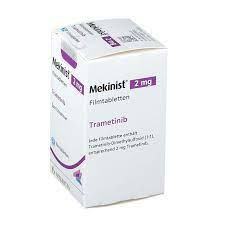
The original drug of trametinib has been launched in China and is covered by medical insurance, but it may be limited to patients who meet the indications and specificationsThe price of 2 mg*30 tablets is more than RMB 10,000, while the price of the original trametinib drug sold overseas with the specification of 2 mg*30 tablets is more than RMB 7,000 (the price may fluctuate due to exchange rate effects). There are also generic trametinib drugs produced in other countries overseas, and their drug ingredients are basically the same as those of the original drugs sold domestically and abroad. For example, the price of a 2mg*30 tablet of a generic drug produced by a Laos pharmaceutical factory is more than 2,000 yuan (the price may fluctuate due to the exchange rate).
[ 免责声明 ] 本页面内容来自公开渠道(如FDA官网、Drugs官网、原研药厂官网等),仅供持有医疗专业资质的人员用于医学药学研究参考,不构成任何治疗建议或药品推荐。所涉药品可能未在中国大陆获批上市,不适用于中国境内销售和使用。如需治疗,请咨询正规医疗机构。本站不提供药品销售或代购服务。


