
.jpeg)
Several things patients must know when taking the drug: What are the warnings and precautions for bedaquiline?
In clinical studies of Bedaquiline (Bedaquiline), warnings and precautions such as increased mortality , QT prolongation, hepatotoxicity, drug resistance, and drug interactions have emerged. Discontinue and resume at reduced dose upon recovery, or permanently discontinue based on severity.
1. Increased mortality: In clinical studies, one death occurred within 24 weeks of bedaquiline administration. There was no clear pattern between death and sputum culture conversion, relapse, sensitivity to other drugs used to treat tuberculosis, HIV status, or disease severity. Use bedaquiline only in patients 5 years and older when effective treatment options are not available.
2. QT prolongation: Bedaquiline prolongsQT interval. Perform an electrocardiogram before starting treatment and at least 2, 12, and 24 weeks after starting treatment. Serum potassium, calcium, and magnesium were obtained at baseline and corrected if abnormal. If QT prolongation is detected, monitor electrolytes. Discontinue bedaquiline and all other drugs that prolong QT if the patient develops clinically significant ventricular arrhythmias, a QTcF interval greater than 500 ms (confirmed by repeat ECG), and if syncope occurs, obtain an ECG to detect QT prolongation.
3. Hepatotoxicity: Alcohol and other hepatotoxic drugs should be avoided during bedaquiline treatment, especially in patients with impaired liver function. Liver-related adverse reactions have also been reported in pediatric patients 5 years and older. Monitor symptoms (such as fatigue, anorexia, nausea, jaundice, dark urine, hepatic tenderness, and hepatomegaly) and laboratory tests (ALT, AST, alkaline phosphatase, and bilirubin) at baseline, monthly during treatment, and as needed. Test for viral hepatitis and discontinue other hepatotoxic drugs if signs of new or worsening liver dysfunction occur.
4. Drug resistance: Mycobacterium tuberculosis may become resistant to bedaquiline. Bedaquiline should only be used in appropriate combination regimens for the treatment of pulmonary MDR-TB to reduce the risk of resistance to bedaquiline.
5. Drug interactions: Bedaquiline is metabolized by CYP3A4, so its systemic exposure and therapeutic effect may be reduced during co-administration with CYP3A4 inducers. During bedaquilinetreatment, avoid coadministration of strong CYP3A4 inducers, such as rifamycins (i.e., rifampicin, rifapentine, and rifabutin), or moderate CYP3A4 inducers, such as efavirenz. BedaquilineCoadministration with strong CYP3A4 inhibitors may increase the systemic exposure of bedaquiline, which may increase the risk of adverse reactions. Therefore, the use of strong CYP3A4 inhibitors for more than 14 consecutive days during treatment should be avoided unless the benefits of the combination outweigh the risks. Appropriate clinical monitoring for bedaquiline-related adverse reactions is recommended.
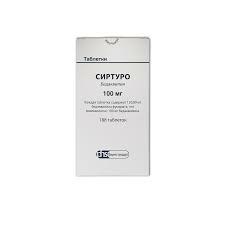
The drug is marketed and sold in China under the name of daquiline fumarate tablets and has been included in the scope of medical insurance. The price of a common specification of 100mg*24 tablets per box may be around RMB 10,000. The price of the Russian version of Bedaquiline sold overseas, Specifications100mg*188 tablets per box, may be around RMB 15,000 (the price may fluctuate due to the exchange rate). The pharmaceutical ingredients of Bedaquiline sold domestically and abroad are basically the same.
[ 免责声明 ] 本页面内容来自公开渠道(如FDA官网、Drugs官网、原研药厂官网等),仅供持有医疗专业资质的人员用于医学药学研究参考,不构成任何治疗建议或药品推荐。所涉药品可能未在中国大陆获批上市,不适用于中国境内销售和使用。如需治疗,请咨询正规医疗机构。本站不提供药品销售或代购服务。


