
.jpeg)
Resistance treatment of satlizumab (Anshiping)
Satralizumab (Satralizumab) is an interleukin-6 (IL-6) receptor antagonist indicated for the treatment of adults with neuromyelitis optica spectrum disorder (NMOSD) who are anti-aquaporin-4 (AQ P4) antibody-positive. Although this drug is highly effective in treating these diseases, some patients may develop resistance.
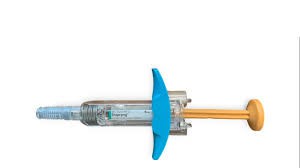
If a patient’s condition does not improve significantly or worsens again after a period of satelizumab treatment, drug resistance management may need to be considered. You can try to increase the dose of satelizumab to achieve better therapeutic effects. However, this approach does not work for all patients, and increasing the dose may increase the side effects of the drug. Combining satelizumab with other treatments may enhance the effectiveness of the treatment. For example, combination use with immunosuppressants or immunomodulators may be considered. If a patient develops resistance to satelizumab, other treatments may need to be considered. Your doctor will decide whether to switch to other medications on a case-by-case basis and choose an appropriate alternative.
The original drug satlizumab has been launched in China, sold under the brand name Anshiping, and is included in medical insurance. Only patients who meet the indications can be reimbursed. The specification is120mg (1ml) per box The price may be more than RMB 10,000, which is still relatively expensive; the price of each box of the original drug Saterizumab sold overseas is more than $10,000 (the price may fluctuate due to the exchange rate). The ingredients of the original drug sold domestically and abroad are basically the same. There are currently no generic versions of satlizumab available on the market.
[ 免责声明 ] 本页面内容来自公开渠道(如FDA官网、Drugs官网、原研药厂官网等),仅供持有医疗专业资质的人员用于医学药学研究参考,不构成任何治疗建议或药品推荐。所涉药品可能未在中国大陆获批上市,不适用于中国境内销售和使用。如需治疗,请咨询正规医疗机构。本站不提供药品销售或代购服务。


