
.jpeg)
What are the precautions for Natalizumab?
In clinical studies of Natalizumab , warnings and precautions such as progressive multifocal leukoencephalopathy (PML), herpes infection, liver poisoning, hypersensitivity reaction/antibody formation, immunosuppression/infection, and thrombocytopenia have emerged. Discontinue and resume at reduced dose upon recovery, or permanently discontinue based on severity.
1. Progressive multifocal leukoencephalopathy (PML): It is an opportunistic viral infection caused by JC virus (JCV). It usually only occurs in patients with low immune function and usually leads to death or severe disability. It has occurred in patients receiving natalizumab. Symptoms associated withPML are diverse, progress over days to weeks, and include progressive weakness on one side of the body or clumsiness in the limbs, visual disturbances, and changes in thinking, memory, and orientation, leading to confusion and personality changes. Generally, patients receiving long-term immunosuppressive or immunomodulatory therapy or patients with systemic disease that results in significant impairment of immune system function should not be treated with natalizumab. Iris development has been reported in natalizumab treated PML patients within days to weeks after surgery. Iris development should be monitored and associated inflammation treated appropriately.
2. Herpes infection: Natalizumab increases the risk of encephalitis and meningitis caused by herpes simplex virus and varicella-zoster virus. Serious, life-threatening, and sometimes fatal cases have been reported in patients with multiple sclerosis treated with natalizumab in the postmarketing setting. The duration of premorbid treatment varies from months to years. Monitor patients receiving natalizumab for signs and symptoms of meningitis and encephalitis. If herpetic encephalitis or meningitis occurs, natalizumab should be discontinued and appropriate treatment should be instituted for herpetic encephalitis/meningitis.
3. Hepatotoxicity: Clinically significant liver injury, including acute liver failure requiring transplantation, has been reported in patients treated with natalizumab in the post-marketing setting. Signs of liver injury, including significant elevations in serum liver enzymes and total bilirubin, occurred as early as 6 days after the first dose; signs of liver injury were also first reported after multiple injections. In some patients, liver injury recurs after rechallenge. The combination of elevated transaminases and elevated bilirubin without evidence of obstruction is generally considered an important predictor of severe liver injury, which may lead to death or the need for liver transplantation in some patients. Natalizumab should be discontinued in patients with jaundice or other significant evidence of liver injury (e.g., laboratory evidence).
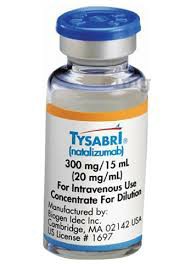
4. Hypersensitivity reaction/Antibody formation: Patients receiving natalizumab have experienced hypersensitivity reactions, including severe systemic reactions (such as anaphylaxis). These reactions usually occur within two hours after the start of infusion. Symptoms include urticaria, dizziness, fever, rash, chills, itching, nausea, flushing, hypotension, dyspnea, and chest pain. These reactions are related to natalizumab antibodies. If an allergic reaction occurs, discontinue natalizumab and initiate appropriate treatment. Patients who experience an allergic reaction should not receive natalizumab again.
5. Immunosuppression/Infections: May include pneumonia and urinary tract infections (including severe cases), gastroenteritis, vaginal infections, dental infections, tonsillitis, and herpes infections. Patients receiving long-term immunosuppressive or immunomodulatory therapy or patients with systemic disease that results in significant impairment of immune system function should generally not be treated with natalizumab. Patients who receive immunosuppressive therapy before treatment are also at increased risk of developing PML. In patients with Crohn's disease who are initiated on natalizumab concurrently with long-term corticosteroids, initiate steroid discontinuation as soon as treatment effects occur. If the patient cannot discontinue systemic corticosteroid therapy within six months, discontinue natalizumab.
6. Thrombocytopenia: Including immune thrombocytopenic purpura (ITP). Symptoms of thrombocytopenia may include easy bruising, abnormal bleeding, and petechiae. Delays in the diagnosis and treatment of thrombocytopenia may result in severe and life-threatening sequelae. If thrombocytopenia is suspected, natalizumab should be discontinued. Cases of neonatal thrombocytopenia, sometimes associated with anemia, have been reported in neonates exposed to natalizumab in utero. Newborns exposed to natalizumab in utero should have a complete blood count.
Natalizumab's original patent drug is not marketed in the country and cannot be included in medical insurance. Currently, the generic drug natalizumab on the market overseas may cost more than 8,000 US dollars per box (the price may fluctuate due to exchange rates), which is very expensive. For more drug information and specific prices, please consult Yaode Medical Consultant.
[ 免责声明 ] 本页面内容来自公开渠道(如FDA官网、Drugs官网、原研药厂官网等),仅供持有医疗专业资质的人员用于医学药学研究参考,不构成任何治疗建议或药品推荐。所涉药品可能未在中国大陆获批上市,不适用于中国境内销售和使用。如需治疗,请咨询正规医疗机构。本站不提供药品销售或代购服务。


