
.jpeg)
Selpercatinib offers excellent results, may 'reduce burden of non-small cell lung cancer'
RET inhibitor Selpercatinib Show efficacy in patients with advanced RET fusion-positive non-small cell lung cancer in a previous non-randomized phase 1/2 study. Researchers conducted a randomized phase 3 study to evaluate adult patients with advanced RET fusion-positive non-small cell lung cancer receiving septinibThe efficacy and safety of first-line treatment, and compared with platinum-based chemotherapy with or withoutpembrolizumab. Researchers randomly assigned 212 patients in the intention-to-treat pembrolizumab population to receive either seputinib (n=129) or chemotherapy plus pembrolizumab (n=83).
Intent-to-treat was assessed by blinded independent central reviewProgression-free survival (PFS) in the pembrolizumab population and the overall intention-to-treat population served as the primary endpoint of the study. Investigators allowed crossover from the control group to the study group if disease progression occurred while receiving control treatment. Although the treatment of advanced or metastatic non-small cell lung cancer has improved in recent years, more than 40% of patients are reported to not receive treatment after first-line treatment, indicating the need to use the most effective treatments early in treatment. In this randomized trial of targeted drugs compared with PD-1 inhibitors plus chemotherapy, in patients with RET fusion-positive non-small cell lung cancer, ceputinib style="font-family:宋体;font-size:12pt;"> has better curative effect.
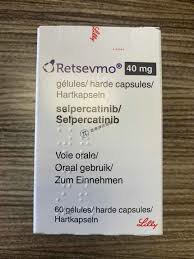
At a median follow-up of 19 months, a preplanned interim efficacy analysis showed that Sepro Median PFS was 24.8 months (95% CI, 16.9 to not estimable) in the tinib arm compared with 11.2 months (95% CI, 8.8-16.8) in the control arm (HR = 0.46; 95% CI, 0.31-0.7). Eighty-four percent (95% CI, 76-90) of patients in the seputinib group had an objective response to treatment, compared with 65% (95% CI, 54-75) of patients who received control therapy. The researchers noted a cause-specific HR for time to progression of disease affecting the central nervous system of 0.28 (95% CI, 0.12-0.68).
Efficacy results in the overall intention-to-treat population (n=261) appeared to be similar to the intention-to-treat-pembrolizumab population, with adverse event rates in both groups consistent with previous reports. Patients receiving seputinib experienced more frequent treatment-related adverse events, including increased liver function values. In addition, the researchers reported seven deaths during or immediately after study treatment in the seplutenib group compared with none in the control group. SeputinibThe impact on non-small cell lung cancer-driven RET fusion events suggests that it may have benefits in other cancers associated with RET alterations. SeputinibA significant improvement over existing standard therapies for RET-altering patients, an improvement that may lead to better survival outcomes and reduce the burden of non-small cell lung cancer.
[ 免责声明 ] 本页面内容来自公开渠道(如FDA官网、Drugs官网、原研药厂官网等),仅供持有医疗专业资质的人员用于医学药学研究参考,不构成任何治疗建议或药品推荐。所涉药品可能未在中国大陆获批上市,不适用于中国境内销售和使用。如需治疗,请咨询正规医疗机构。本站不提供药品销售或代购服务。


