
.jpeg)
Dabrafenib: Current Medication Guidelines
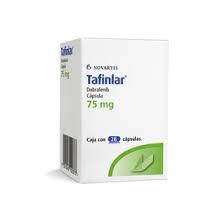
Dabrafenib is an orally administered targeted therapy drug mainly used to treat cancers such as malignant melanoma (melanoma) and non-small cell lung cancer carrying BRAF V600 mutations. The following is the medication guide for dabrafenib, including detailed instructions on medication indications, dosage and usage, precautions and monitoring points:
1.Indications for use:
Dabrafenib is indicated for adult patients with malignant melanoma and non-small cell lung cancer harboring BRAF V600 mutations. In melanoma, it is usually indicated for patients with advanced or metastatic melanoma, and for non-small cell lung cancer, it is indicated for patients with BRAF V600E mutations.
2.Dosage and usage:
Malignant melanoma (melanoma): The recommended dose is 300mg (mg) orally administered daily, divided into two doses (i.e. 150 mg each time). Dabrafenib can be taken with or without food, but try to keep the time between doses consistent. It is recommended to use it in combination with Trametinib (Trametinib).
Non-small cell lung cancer: The recommended dose is 300mg (mg) orally administered daily, divided into two doses (i.e. 150 mg each time). It is recommended to be used in combination with Trametinib (Trametinib).
3.Medication time point:
Patients should take dabrafenib on time and in the right amount under the advice of their doctor. To minimize gastrointestinal discomfort, you may choose to take it after a meal, but it is not recommended to take it with a high-fat meal.
4.Interactions with food:
Dabrafenib can be taken with food, but you should avoid taking it with high-fat foods, which may affect its absorption.
5.Monitoring and evaluation:
During treatment, patients need to undergo regular clinical evaluations and imaging studies to monitor tumor response and treatment effects. These tests usually include a physical examination, blood tests, CT scans, MRI scans, and PET scans.
6.Side Effect Management:
Dabrafenib treatment may be associated with a series of side effects, including skin reactions, fever, fatigue, headache, nausea, etc. Patients should pay close attention to the occurrence of these side effects and report them to their doctors promptly. Doctors will develop corresponding side effect management strategies based on the patient's specific situation, which may include medication, lifestyle advice, and supportive care.
7.Heart monitoring:
Dabrafenib treatment may have an impact on cardiac function, and patients need to undergo regular cardiac monitoring such as electrocardiogram and cardiac ultrasound examination to assess changes in cardiac function and risks.
8.Drug interactions:
During treatment with dabrafenib, patients should avoid use with other medications that may cause drug interactions. If patients need to use other drugs at the same time, they should consult their doctor or pharmacist in advance.
In summary, dabrafenib, as an important targeted therapy, has shown significant efficacy in the treatment of malignant melanoma and non-small cell lung cancer harboring BRAF V600 mutations. However, patients need to pay close attention to the occurrence of side effects during treatment with dabrafenib and follow their doctor's recommendations and treatment guidelines to ensure the safety and effectiveness of the treatment.
[ 免责声明 ] 本页面内容来自公开渠道(如FDA官网、Drugs官网、原研药厂官网等),仅供持有医疗专业资质的人员用于医学药学研究参考,不构成任何治疗建议或药品推荐。所涉药品可能未在中国大陆获批上市,不适用于中国境内销售和使用。如需治疗,请咨询正规医疗机构。本站不提供药品销售或代购服务。


