
.jpeg)
Detailed explanation of the efficacy and side effects of crizotinib
Crizotinib is a cancer drug used alone to treat adults with a type of cancer called non-small cell cancer (NSCLC) when the disease has progressed. It can be used if NSCLC is "ALK positive," meaning the cancer cells contain certain changes in the gene that affect the ALK (anaplastic lymphoma kinase) protein. It can also be used when non-small cell lung cancer is "ROS1 positive". This means that the cancer cells contain changes that affect the gene responsible for the protein ROS1.
Crizotinib may also be used to treat children and adolescents ages 6 to younger than 18 years with ALK-positive anaplastic large cell lymphoma (ALCL), a blood cancer; or unresectable ALK-positive inflammatory myofibroblastic tumor (IMT). IMT is usually a benign tumor that affects a type of muscle cell called myofibroblast, which plays an important role in the wound healing process.
ALK and ROS1 belong to a family of proteins called receptor tyrosine kinases (RTKs), which are involved in cell growth. In "ALK-positive" or "ROS1-positive" tumors, the ALK or ROS1 protein is abnormally active, promoting uncontrolled growth of cells and the development of new blood vessels that supply the cells. Crizotinib contains the active substance Crizotinib, which is an RTK inhibitor. It works primarily by blocking the activity of ALK or ROS1, including when genetic changes are present, thereby reducing the growth and spread of cancer in ALK-positive ALCL and IMT and ALK- and ROS1-positive NSCLC. Compared with traditional chemotherapy drugs, crizotinib is better tolerated and safe, making it easier for patients to accept treatment.
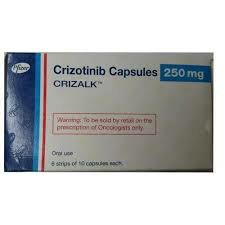
The most common side effects of crizotinib in adults with ALK- or ROS1-positive non-small cell lung cancer are vision problems, nausea (feeling sick), diarrhea, vomiting, edema (swelling), constipation, increased liver enzymes in the blood, fatigue, decreased appetite, dizziness, and neuropathy (neuropathy). pain from the injury); The most serious side effects are liver damage, pneumonitis (inflammation of the lungs), neutropenia (low levels of neutrophils, a type of white blood cell, in the blood), and prolongation of the QT interval (problems with the heart's electrical activity).
The most common side effects of crizotinib in children and adolescents withALK-positive ALCL or IMT are increases in liver enzymes in the blood, vomiting, neutropenia, nausea, diarrhea, and leukopenia (low levels of white blood cells, a type of white blood cell); the most common serious side effect is neutropenia.
Therefore, when using crizotinib for treatment, doctors will carefully weigh its efficacy and potential risks based on the patient's specific situation, and take corresponding preventive and management measures to ensure patient safety and treatment effectiveness.
[ 免责声明 ] 本页面内容来自公开渠道(如FDA官网、Drugs官网、原研药厂官网等),仅供持有医疗专业资质的人员用于医学药学研究参考,不构成任何治疗建议或药品推荐。所涉药品可能未在中国大陆获批上市,不适用于中国境内销售和使用。如需治疗,请咨询正规医疗机构。本站不提供药品销售或代购服务。


