
.jpeg)
Will taking crizotinib cause hair loss?
Alopecia was not reported in studies of crizotinib and is not an expected side effect of crizotinib. Hair loss is a common side effect of chemotherapy drugs (traditional medicines used to treat cancer). Chemotherapy drugs are used to treat many cancers, including lung cancer and lymphoma. Chemotherapy is sometimes used with crizotinib. Targeted therapies such as alectinib (a drug similar to crizotinib), which is also used to treat a type of non-small cell lung cancer (NSCLC), is also reported to be a major cause of hair loss.
Hair loss is one of the possible side effects of many drug treatments, but not everyone who takes crizotinib experiences this problem. Continue taking crizotinib even if the patient feels well. Do not stop taking crizotinib without talking to your doctor. Common side effects of crizotinib include nausea, vomiting, diarrhea, vision problems, fatigue, etc., but hair loss is not necessarily one of the common side effects. Each person's reaction to medication is unique, and some people may experience hair loss while others may not. In addition to drug factors, the tumor itself and other factors during treatment, such as chemotherapy, radiotherapy, etc., may also cause hair loss.
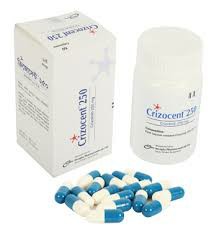
Since crizotinib was approved for use, there have not been any reports of hair loss with crizotinib alone. If symptoms of hair loss occur after taking crizotinib, it is recommended to consult a doctor in time to see whether the treatment plan needs to be adjusted or other measures to reduce side effects. At the same time, you can also try some daily care methods, such as using low-irritation shampoos, maintaining soft hairstyles, reducing hot compresses, adjusting diet, etc., to reduce the symptoms of hair loss.
[ 免责声明 ] 本页面内容来自公开渠道(如FDA官网、Drugs官网、原研药厂官网等),仅供持有医疗专业资质的人员用于医学药学研究参考,不构成任何治疗建议或药品推荐。所涉药品可能未在中国大陆获批上市,不适用于中国境内销售和使用。如需治疗,请咨询正规医疗机构。本站不提供药品销售或代购服务。


