
.jpeg)
Which generation of targeted drugs does cabozantinib belong to?
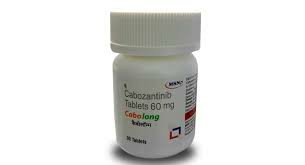
Cabozantinib (Cabozantinib) is a multi-target tyrosine kinase inhibitor and belongs to the second generation of targeted drugs. Targeted drugs are a specific type of anti-cancer drugs whose mechanism of action is to block the growth and spread of cancer cells by inhibiting specific targets or signaling pathways in tumor cells. Compared with traditional chemotherapy drugs, targeted drugs have higher selectivity and fewer side effects, so they have been widely used in tumor treatment.
The development of targeted drugs can be divided into several stages, often referred to as different "generations". Each generation of targeted drugs has different characteristics and mechanisms of action, and has different indications and therapeutic effects for different types of cancer.
The first generation of targeted drugs usually have a relatively single mechanism of action and mainly target a specific protein or signaling pathway in tumor cells. Typical first-generation targeted drugs include imatinib (Imatinib) and erlotinib (Erlotinib).
The second generation of targeted drugs has a broader targeting effect and can simultaneously inhibit tyrosine kinases on multiple key signaling pathways. This makes the second generation of targeted drugs more effective in treating some highly drug-resistant cancers. Cabozantinib is one of the representatives. As a multi-target tyrosine kinase inhibitor, it can simultaneously inhibit tyrosine kinases on multiple key signaling pathways, thereby effectively inhibiting the growth and spread of tumors.
With in-depth research on the molecular mechanisms of cancer and the continuous development of targeted drugs, more advanced third-generation targeted drugs have emerged. The third generation of targeted drugs has stronger targeting and higher selectivity, and can more accurately inhibit the growth and spread of cancer cells, thus improving the therapeutic effect and reducing side effects. At present, some third-generation targeted drugs have made certain progress in clinical trials, bringing new treatment hope to cancer patients.
To sum up, cabozantinib, as a second-generation targeted drug, has multi-target inhibitory effects and has important therapeutic value for some cancers with strong drug resistance. However, each generation of targeted drugs has its specific indications and therapeutic effects, and patients should formulate an individualized treatment plan based on the doctor's recommendations when receiving treatment.
[ 免责声明 ] 本页面内容来自公开渠道(如FDA官网、Drugs官网、原研药厂官网等),仅供持有医疗专业资质的人员用于医学药学研究参考,不构成任何治疗建议或药品推荐。所涉药品可能未在中国大陆获批上市,不适用于中国境内销售和使用。如需治疗,请咨询正规医疗机构。本站不提供药品销售或代购服务。


