
.jpeg)
Can the dose of cabozantinib be increased after resistance?
Cabozantinib (Cabozantinib) is a targeted therapy drug and belongs to the second generation of targeted drugs. The first generation of targeted drugs mainly refers to drugs that have low selectivity for tumor targets and are prone to develop drug resistance. The second generation of targeted drugs have improved on this basis and have higher selectivity and stronger inhibitory effect. They can also usually inhibit multiple signaling pathways and reduce the occurrence of drug resistance.
Cabozantinib is a multi-target tyrosine kinase inhibitor that can inhibit multiple key signaling pathways in tumor cells, including MET, VEGFR2, RET, etc., thereby blocking the growth and spread of tumors. Cabozantinib has shown significant efficacy in the treatment of renal cell carcinoma, thyroid cancer and other types of cancer, improving patient prognosis.
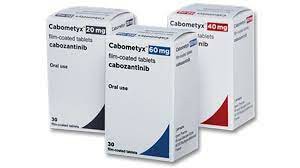
However, as treatment time increases, some patients may develop drug resistance. This means that tumor cells gradually lose sensitivity to cabozantinib, causing the drug's therapeutic effect to weaken or become ineffective. After the emergence of drug resistance, whether cabozantinib can be used in increased doses is a matter of great concern.
Normally, if a patient develops resistance to cabozantinib, doctors may consider adjusting the treatment plan, and increasing the amount of cabozantinib is one of the possible options. However, whether cabozantinib can be used in an increased dose still needs to be determined based on the patient's specific condition and resistance mechanism. Physicians may decide whether increasing cabozantinib is appropriate based on the patient's condition, the type and severity of resistance, and the availability of other treatment options.
When considering increasing the dose of cabozantinib, physicians need to weigh the potential benefits against the risks. Increasing the dosage may increase the toxic side effects of the drug and have a negative impact on the patient's health. Therefore, doctors need to comprehensively consider the patient's overall condition and make personalized treatment decisions.
In general, whether the dose of cabozantinib can be increased after drug resistance depends on the patient's specific situation and the doctor's advice. When deciding on a treatment plan, you should actively communicate with your doctor and jointly develop the most appropriate treatment strategy to maximize the treatment effect and reduce adverse drug reactions.
[ 免责声明 ] 本页面内容来自公开渠道(如FDA官网、Drugs官网、原研药厂官网等),仅供持有医疗专业资质的人员用于医学药学研究参考,不构成任何治疗建议或药品推荐。所涉药品可能未在中国大陆获批上市,不适用于中国境内销售和使用。如需治疗,请咨询正规医疗机构。本站不提供药品销售或代购服务。


