
.jpeg)
Safety Warnings: Cabozantinib Safety Warnings and Precautions
Cabozantinib (Cabozantinib) is a powerful targeted therapy. Although it has shown significant efficacy in treating cancer, it also comes with a series of safety warnings and precautions. The following is a detailed introduction to the safety warnings and precautions of cabozantinib:
1.Hypertension: During cabozantinib treatment, patients may develop high blood pressure. This may cause symptoms such as headache, dizziness, blurred vision, and more. Therefore, doctors monitor patients' blood pressure and adjust treatment if necessary. Patients should measure their blood pressure regularly and follow their doctor's treatment recommendations, such as limiting sodium intake and exercising appropriately.
2.Hand-foot syndrome: Hand-foot syndrome is a common adverse reaction during cabozantinib treatment, which manifests as redness, swelling, pain, and skin desquamation on the palms and soles of the feet. Patients should keep their hands and feet clean and moist, and avoid standing or walking for long periods of time. Wearing comfortable, loose-fitting shoes can also reduce the symptoms of hand-foot syndrome.
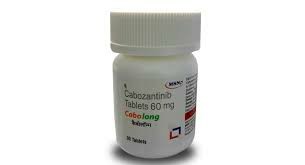
3.Proteinuria: During treatment with cabozantinib, patients may develop proteinuria, which may indicate impaired renal function. Patients should undergo regular urinalysis to monitor proteinuria. If abnormalities occur, they should be reported to the doctor in time so that the treatment plan can be adjusted in time.
4.Liver function damage: Cabozantinib treatment may cause liver function damage, manifesting as jaundice, abdominal distension, abdominal pain and other symptoms. Therefore, doctors regularly monitor patients’ liver function indicators. Patients should avoid alcohol and medications that may affect liver function during treatment, such as certain over-the-counter medications and herbal remedies.
5.Cardiovascular toxicity: Cabozantinib treatment may cause cardiotoxicity, manifesting as arrhythmia, heart failure and other symptoms. Patients should undergo regular electrocardiograms and cardiac ultrasound examinations during treatment to monitor heart function. If symptoms of cardiotoxicity occur, such as palpitations, chest tightness, etc., you should seek medical treatment promptly.
6.Thyroid dysfunction: During cabozantinib treatment, patients may develop thyroid dysfunction, such as hypothyroidism or hyperthyroidism. Doctors will monitor the patient's thyroid function and provide appropriate treatment if necessary.
7.Other adverse reactions: Cabozantinib treatment may be accompanied by other adverse reactions, such as fatigue, diarrhea, nausea, loss of appetite, etc. Patients should promptly report any symptoms of discomfort to their doctor and follow the doctor's treatment recommendations.
In general, during cabozantinib treatment, the patient's physical condition and various biochemical indicators need to be closely monitored to detect and deal with adverse reactions in a timely manner. During treatment with cabozantinib, patients should follow the doctor's guidance, have regular follow-up visits, actively cooperate with the treatment, and pay attention to maintaining good lifestyle and dietary habits to improve the treatment effect and reduce the occurrence of adverse reactions.
[ 免责声明 ] 本页面内容来自公开渠道(如FDA官网、Drugs官网、原研药厂官网等),仅供持有医疗专业资质的人员用于医学药学研究参考,不构成任何治疗建议或药品推荐。所涉药品可能未在中国大陆获批上市,不适用于中国境内销售和使用。如需治疗,请咨询正规医疗机构。本站不提供药品销售或代购服务。


