
.jpeg)
The latest news on sotorasib (AMG510) targeted drugs
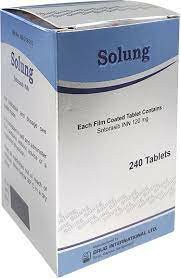
Sotoraxib (AMG510) is an oral, first-in-class therapy indicated for the treatment of adult patients with KRAS G12C-mutated locally advanced or metastatic non-small cell lung cancer (NSCLC) who have received at least one systemic therapy. Sotoraxib was developed by U.S. biopharmaceutical company Amgen and is available as a 120 mg dose of immediate-release yellow rectangular film-coated tablets. Sotorracib is a highly selective inhibitor of KRAS G12C, which can inhibit the rapid proliferation of cancer cells. The drug forms an irreversible covalent bond with the cysteine u200bu200bresidue of KRAS G12C, keeping the protein in an inactive form and thus blocking oncogenic signals. This resulted in apoptosis only in KRAS G12C tumor cells.
The U.S. Food and Drug Administration (FDA’s accelerated approval of sotoraxib is based on the results of the single-arm, open-label, multi-center clinical trial CodeBreaK 100. The study enrolled a subset of patients with KRAS G12C-mutated locally advanced or metastatic non-small cell lung cancer. CodeBreaK 100 is the largest clinical trial conducted exclusively in patients with KRAS G12C-mutated non-small cell lung cancer. A total of 126 patients were included in the study, 124 of whom were diagnosed with KRAS G12C mutated non-small cell lung cancer.
The study's primary endpoints were overall response rate (ORR) and duration of response (DOR), as assessed by blinded independent central review (BICR) according to Response Evaluation Criteria in Solid Tumors (RECIST) specifications version 1.1. All patients had received at least one prior systemic therapy for metastatic non-small cell lung cancer. In the study, patients received 960 mg of sotoraxib once daily until disease progression or unacceptable toxicity. Sotorasiib achieved an overall response rate of 36%, with a median duration of response of 10 months. The disease control rate was 81%, including patients achieving complete and partial remission or having stable disease for more than three months. In clinical trials, the most common side effects reported by patients treated with sotoraxib included diarrhea, musculoskeletal pain, nausea, fatigue, liver damage, and cough.
Also announced results from the Phase Ib CodeBreaK 101 study evaluating the safety and efficacy of sotoraxib in patients with KRAS G12C mutated cancer. The trial included two combinations, sotoracib plus afatinib and sotoracib plus trametinib. The first cohort (cohort I) included 10 patients who received 20 mg of afatinib and 960 mg of sotoracib, while the second cohort (cohort II) included 23 patients who received 30 mg of afatinib and 960 mg of sotoracib.
The overall response rates for the first and second cohorts were20% and 35%, while the disease control rates of the two cohorts were 70% and 74% respectively. The findings also showed that heavily pretreated patients with KRAS G12C-mutant solid tumors, including those previously treated with a KRAS G12C inhibitor, had antitumor activity when treated with the combination of sotoraxib and trametinib. The results showed that in patients with non-small cell lung cancer who had not previously received KRAS G12C inhibitor treatment, the partial response rate was 20% and the disease control rate was 87%. The disease control rate in patients previously treated with a KRAS G12C inhibitor was 67%. The most common adverse effects are increased alanine and aspartate aminotransferase levels.
[ 免责声明 ] 本页面内容来自公开渠道(如FDA官网、Drugs官网、原研药厂官网等),仅供持有医疗专业资质的人员用于医学药学研究参考,不构成任何治疗建议或药品推荐。所涉药品可能未在中国大陆获批上市,不适用于中国境内销售和使用。如需治疗,请咨询正规医疗机构。本站不提供药品销售或代购服务。


