
.jpeg)
Do I need to re-test the gene after becoming resistant to sotorasib (AMG510)?
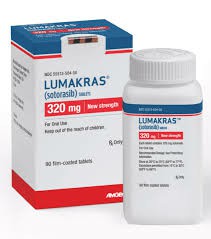
Sotoracib (AMG510) is a targeted therapy for lung cancer, used to treat patients with non-small cell lung cancer (NSCLC) with specific gene mutations (KRAS G12C mutations). However, patients may sometimes experience disease progression after treatment with sotoraxib due to the development of drug resistance.
Retesting the gene is an important step when patients experience disease progression after a period of treatment with sotoraxib. This is because tumor cells may develop new genetic mutations that render sotoraxib ineffective against these mutations. By retesting the gene, doctors can determine whether new drug-resistant mutations are present and select more appropriate treatments.
Retesting genes can be done through different methods. One common approach is to obtain a tumor sample through biopsy and then use molecular biology techniques to detect genetic mutations. Additionally, blood samples can be used to perform liquid biopsies to detect circulating tumor DNA (ctDNA), which could provide a non-invasive way to monitor genetic mutations.
Retesting the gene is important in choosing next steps in treatment. If new resistance mutations are discovered, doctors may consider switching to other targeted drugs or chemotherapy drugs to control the disease. In addition, understanding a tumor's genetic status can help doctors assess a patient's prognosis and develop an individualized treatment plan.
In summary, genetic retesting is warranted when patients experience disease progression after treatment with sotoraxib. This can help doctors understand whether new drug-resistant mutations are present and choose the best treatment options based on the test results.
[ 免责声明 ] 本页面内容来自公开渠道(如FDA官网、Drugs官网、原研药厂官网等),仅供持有医疗专业资质的人员用于医学药学研究参考,不构成任何治疗建议或药品推荐。所涉药品可能未在中国大陆获批上市,不适用于中国境内销售和使用。如需治疗,请咨询正规医疗机构。本站不提供药品销售或代购服务。


