
.jpeg)
After drug resistance to sotoracib (AMG510): the importance of genetic testing and strategic adjustments
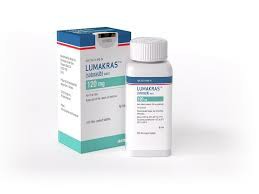
Sotorasiib (AMG510), as a targeted therapy for non-small cell lung cancer (NSCLC) with KRAS G12C mutations, has brought new hope to many patients. However, as treatment progresses, some patients may encounter drug resistance challenges, leading to disease progression again. At this critical moment, re-testing genes has become an important part of determining treatment pathways.
When the efficacy of sotoraxib weakens and the disease progresses, it often means that the tumor cells may have developed new genetic mutations that allow them to evade the inhibitory effect of the drug. In order to more accurately understand the current genetic status of the tumor, it is particularly important to perform genetic testing again. This can not only help doctors identify whether there are new drug-resistant mutations, but also provide a key basis for subsequent adjustments to treatment strategies.
During the process of retesting genes, doctors can use a variety of methods. Among them, tumor biopsy is a common and effective method that directly obtains tumor tissue samples and uses advanced molecular biology techniques for in-depth analysis. In addition, liquid biopsy, as a non-invasive detection method, is also attracting more and more attention. It can indirectly reflect the genetic variation of tumors by analyzing circulating tumor DNA (ctDNA) in the blood.
Once new drug-resistant mutations are detected, doctors need to promptly adjust treatment plans based on this information. This may include switching to other drugs that target different mutation sites, or considering traditional treatments such as chemotherapy. In addition, the results of genetic testing can help doctors more accurately assess the patient's prognosis and develop a more personalized treatment plan.
In summary, when sotorasiib treatment encounters resistance challenges, re-testing the gene becomes an indispensable step. It can not only reveal the latest genetic mutations of tumor cells, but also provide doctors with an important basis for adjusting treatment strategies to ensure that patients can obtain the best treatment results.
[ 免责声明 ] 本页面内容来自公开渠道(如FDA官网、Drugs官网、原研药厂官网等),仅供持有医疗专业资质的人员用于医学药学研究参考,不构成任何治疗建议或药品推荐。所涉药品可能未在中国大陆获批上市,不适用于中国境内销售和使用。如需治疗,请咨询正规医疗机构。本站不提供药品销售或代购服务。


