
.jpeg)
Sotoracib (AMG510): A new chapter in lung cancer treatment targeting KRAS G12C mutations
Sotoracib (AMG510) has brought revolutionary changes to the treatment of non-small cell lung cancer (NSCLC). As a specific inhibitor of KRAS G12C mutation, it is mainly targeted at patients with advanced or metastatic non-small cell lung cancer who carry this mutation. KRAS G12C mutations are particularly common in lung cancer, accounting for approximately 13% of all non-small cell lung cancer cases. This mutation can lead to abnormalities in cell signaling pathways, thereby promoting tumor growth and spread.
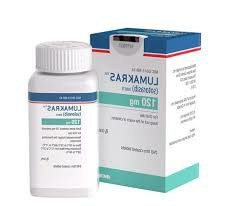
The mechanism of action of Sotorasibu is unique and precise. Under normal circumstances, GTP will activate related proteins after binding to KRAS, thereby triggering a series of reactions in the MAP kinase pathway. However, when KRAS undergoes the G12C mutation, the GTP hydrolysis process is impaired, resulting in KRAS remaining activated. Sotorasiib cleverly binds to specific cysteine u200bu200bresidues in the KRAS G12C mutation, thereby rendering the mutated protein inactive. It is worth mentioning that this binding effect does not occur in wild-type KRAS, so sotoraxib can avoid accidental damage to non-target cells during the treatment process.
As the first approved KRAS G12C mutation-targeting drug, sotoraxib has demonstrated impressive efficacy in clinical trials. Not only can it effectively inhibit the proliferation and viability of cancer cells, but when used in combination with chemotherapy drugs, it can also significantly extend the overall survival and progression-free survival of patients. This combination treatment option provides patients with more treatment options and a better chance of survival.
However, sotoraxib is not suitable for all patients with non-small cell lung cancer. Because of its specific target, only patients confirmed by genetic testing to be positive for the KRAS G12C mutation can benefit from this drug. In addition, during treatment with sotoraxib, patients need to pay close attention to potential risks such as hepatotoxicity, interstitial lung disease, and pneumonia, and conduct rational medication and monitoring under the guidance of a doctor.
[ 免责声明 ] 本页面内容来自公开渠道(如FDA官网、Drugs官网、原研药厂官网等),仅供持有医疗专业资质的人员用于医学药学研究参考,不构成任何治疗建议或药品推荐。所涉药品可能未在中国大陆获批上市,不适用于中国境内销售和使用。如需治疗,请咨询正规医疗机构。本站不提供药品销售或代购服务。


