
.jpeg)
What are the treatment options for osimertinib/osimertinib resistance?
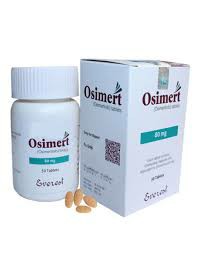
Osimertinib is a targeted treatment for non-small cell lung cancer (NSCLC), but over time, some patients may develop drug resistance. When a patient develops resistance to Osimertinib/osimertinib/osimertinib, doctors usually need to consider adjusting the treatment plan to continue to control the progression of the disease. The following are some common treatment options for resistance to osimertinib/osimertinib:
1. Combination therapy with EGFR mutation inhibitors: For patients with EGFR T790M resistance mutations, the combination of other EGFR mutation inhibitors may be considered. For example, first-generation EGFR inhibitors (such as gemcitabine) or second-generation EGFR inhibitors (such as afatinib) can be used in combination with osimertinib to enhance the anti-tumor effect.
Second generation of EGFR inhibitors: For patients who are resistant to osimertinib/osimertinib , a new generation of EGFR inhibitors can also be considered. There are currently some new EGFR inhibitors entering the clinical trial stage, such as FLR18, AVL-301, etc. These drugs may have better drug resistance and stronger anti-tumor activity.
3. Combination therapy: In addition toEGFR inhibitors, you can also consider using them in combination with other therapeutic drugs to enhance the therapeutic effect. For example, the combined use of HER2 inhibitors (such as trastuzumab), PI3K inhibitors or MEK inhibitors may help overcome drug resistance and inhibit tumor progression.
4. Immunotherapy: Immunotherapy has shown good potential in the treatment of NSCLC, especially for those tumors that express PD-L1. Therefore, for patients who are resistant to osimertinib/osimertinib, you can consider using PD-1 or PD-L1 inhibitors as monotherapy or in combination with other therapeutic drugs to enhance the immune system's resistance to tumors.
5. Chemotherapy: Chemotherapy is still one of the important options for treatingNSCLC. After osimertinib/osimertinib resistance, chemotherapy drugs, such as paclitaxel, cisplatin, etc., can be considered to control the progression of the tumor and prolong the patient's survival time.
In general, for osimertinib/osimertinib-resistant NSCLC patients, the treatment plan needs to be individualized according to the patient's specific situation and disease changes. By combining different therapeutic drugs, immunotherapy, and chemotherapy, the progression of tumors can be effectively delayed and the survival rate of patients improved. At the same time, active supportive care and regular follow-up are also important parts of the treatment process to improve patients' quality of life and help them better cope with the disease.
[ 免责声明 ] 本页面内容来自公开渠道(如FDA官网、Drugs官网、原研药厂官网等),仅供持有医疗专业资质的人员用于医学药学研究参考,不构成任何治疗建议或药品推荐。所涉药品可能未在中国大陆获批上市,不适用于中国境内销售和使用。如需治疗,请咨询正规医疗机构。本站不提供药品销售或代购服务。


