
.jpeg)
What are the side effects of selinesol and subcutaneous bleeding?
Selinexor is a drug used to treat multiple myeloma. It belongs to a class of drugs called selective inhibitors of nuclear export (SINE). In clinical trials, some side effects may have occurred with the use of selinesol, including subcutaneous bleeding. The incidence of this side effect is reported differently in different studies, but is generally relatively rare.
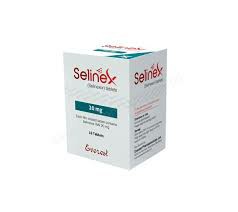
Subcutaneous bleeding, which is a leakage and pooling of blood under the skin, is a possible side effect of selinexol. This side effect is usually due to a decrease in or abnormal function of platelets caused by the drug. Platelets are cell fragments in the blood whose main function is to help stop bleeding and clot. When platelets are reduced or function abnormally, blood leaks easily from the tiny blood vessels under the skin, causing subcutaneous bleeding.
In addition to subcutaneous bleeding, selinesol may cause other side effects, including nausea, vomiting, diarrhea, fatigue, and loss of appetite. These side effects are relatively common while using selinesol, but do not necessarily happen to everyone. If you experience subcutaneous bleeding or other uncomfortable symptoms while taking selinesol, it is recommended to inform your doctor promptly for evaluation and treatment.
Doctors will closely monitor patients' blood parameters, including platelet counts, while using selinesol. If thrombocytopenia or dysfunction is severe, doctors may adjust the dose or suspend treatment on a case-by-case basis to avoid further complications.
In summary, selinesol may cause side effects such as subcutaneous bleeding when treating multiple myeloma. Work closely with your doctor to use medications correctly as directed, and promptly inform your doctor of any symptoms so that appropriate measures can be taken.
[ 免责声明 ] 本页面内容来自公开渠道(如FDA官网、Drugs官网、原研药厂官网等),仅供持有医疗专业资质的人员用于医学药学研究参考,不构成任何治疗建议或药品推荐。所涉药品可能未在中国大陆获批上市,不适用于中国境内销售和使用。如需治疗,请咨询正规医疗机构。本站不提供药品销售或代购服务。


