
.jpeg)
Best practices for selinesol treatment may improve outcomes in multiple myeloma
In a new analysis assessing the impact of a best practices program, patients receiving selinexor, an oral selective nuclear export inhibitor, for relapsed/refractory (R/R) multiple myeloma (RRMM) experienced improved outcomes in 3 important areas: increased time to treatment failure (TTF) and treatment duration, and reduced drug-limiting toxicities. Overall survival was the fourth study endpoint.
Based on the study results, results were compared in 2 patient groups: Cohort 1 (pre-implementation), where 68 patients started receiving a selinesol-based regimen, which was the time FCS implemented the BP program; Cohort 2 (post-implementation), where 41 patients started receiving a selinesol-based regimen. In this project, selinesol treatment was initiated at a once-weekly dose of 80 mg or less, as its package insert recommended this as the first dose reduction, and electronic health record (EHR) data were used for patient outcomes. In addition, selinesol-related data collected for this study included concomitant medications, treatment regimens, doses at the beginning and end of treatment, and dose modifications, delays, regimen changes, and discontinuations.
Patients in the post-implementation cohort were slightly older at diagnosis and when starting selinesol, 67 years versus 64 years and 71 years versus 69.5 years. The majority of patients in the pre-implementation group were white or black, and the majority of patients in the post-implementation group were white or other. The most common diagnosis was stage III MM in 38.2% of the pre-implementation group and 31.7% of the post-implementation group, and 79.4% and 75.6% had an ECOG performance status of 0 or 1. More than 95% of patients in each group had prior exposure to lenalidomide, pomalidomide, bortezomib, and daratumumab. However, in the pre-implementation group, 91.2% of patients were exposed to carfilzomib and 11.8% to isatuximab, compared with 70.7% and 7.3%, respectively, in the post-implementation group.
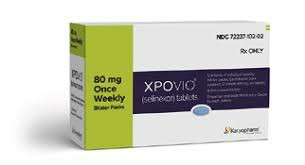
The most common selinesol regimens included dexamethasone only (42.7%) and dexamethasone and bortezomib (30.9%) in cohort 1 and dexamethasone and bortezomib (48.8%%) and dexamethasone and carfilzomib (22%) in cohort 2.
Equivalent groups of patients in each cohort (pre-implementation 85.4%; post-implementation 85.4%) initiated selinesol as a fifth or greater treatment regimen, but its use declined in dual therapy and increased in triple therapy: from 42.7% to 14.6% and from 54.5% to 85.5%. For the recommended starting dose of 80 mg or less once weekly, 78% of post-implementation patients started treatment at this dose, compared with 48.5% of pre-implementation patients.
Compared to the pre-implementation cohort, the median (IQR) follow-up time was shortened by 72%, 6.7 (1.3-11.3) vs. 24.0 (13.8-41.6%), respectively, although the median treatment duration was longer in cohort 2 vs. cohort 1: 4.4 (1.1-9.4) vs. 2.5 (1.2-2.2 months), respectively. In addition, more patients in the post-implementation group were expected to be alive at 6 and 12 months after initiation of selinexole compared with the pre-implementation group: 73.6% (55.1%-85.4%) vs. 57.0% (44.3%-67.8%) at 6 months; and 51.6% (24.8%-73.0%) vs. 38.2% (26.6%-50.0%) at 12 months.
Dose modifications (44.1% vs. 43.9%), dosing regimen changes (17.7% vs. 14.6%), and treatment interruptions (66.2% vs. 29.3%) were more common in the pre-implementation group, while dose delays (16.2% vs. 19.5%) and treatment interruptions (36.8% vs. 48.8%) were more common in the post-implementation group. Disease progression was the most common reason for treatment discontinuation in Cohort 1 (45.6%) and Cohort 2 (36.6%), and adverse events leading to disease progression were almost four times more common in Cohort 1 (30 patients) and Cohort 2 (8 patients).
Compared with the pre-implementation group, the median TTF of the post-implementation group was more than three times longer, 7.1 months (1.2-not reached) and 2.3 months (1.2-4.4) respectively. The researchers found that patients who started treatment at a dose of 100 mg or at least 120 mg were 2.5 times and 5.4 times more likely to have treatment failure compared with patients treated with selinesol at a maximum dose of 60 mg.
[ 免责声明 ] 本页面内容来自公开渠道(如FDA官网、Drugs官网、原研药厂官网等),仅供持有医疗专业资质的人员用于医学药学研究参考,不构成任何治疗建议或药品推荐。所涉药品可能未在中国大陆获批上市,不适用于中国境内销售和使用。如需治疗,请咨询正规医疗机构。本站不提供药品销售或代购服务。


