
.jpeg)
What are the adverse reactions of lenalidomide?
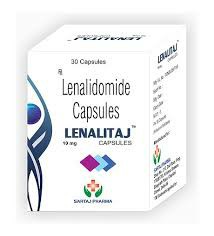
Lenalidomide (Lenalidomide) is a drug used to treat hematological malignancies such as multiple myeloma, myelodysplastic syndrome (Myelodysplastic Syndrome) and lymphoproliferative diseases (Lymphoproliferative Disorders). Although it has significant therapeutic efficacy, it may also cause a series of adverse reactions, some of which may affect the patient's quality of life and treatment plan. The following are some common side effects of lenalidomide:
1.Anemia (Anemia): Lenalidomide may cause anemia, which is low hemoglobin levels. Anemia can cause patients to feel fatigue, weakness, dizziness and other symptoms, and may affect quality of life. Doctors may recommend that patients take iron or other nutritional supplements or adjust the dose of lenalidomide to manage anemia.
2.ThrombocytopeniaLenalidomide may cause a decrease in platelets, increasing the risk of bleeding and bruising. Patients may experience symptoms such as skin bleeding, nose bleeding, and gum bleeding. Doctors may advise patients to reduce strenuous activity and avoid injury, or to manage thrombocytopenia by adjusting dosage.
3.Skin Reactions (Skin Reactions): Lenalidomide may cause skin reactions, such as rash, itching, dryness, scaling, etc. Sometimes these skin reactions can seriously affect a patient's quality of life. Doctors may recommend that patients use moisturizers or topical skin medications to relieve these side effects.
4.Gastrointestinal Disturbances: Lenalidomide may cause gastrointestinal discomfort, such as nausea, vomiting, diarrhea, loss of appetite, etc. These discomforts may affect the patient's diet and nutrient absorption, and even lead to weight loss. Doctors may recommend that patients eat small, frequent meals, avoid irritating foods, or use medications to relieve digestive discomfort.
5.Fatigue (Fatigue): During treatment with lenalidomide, patients may experience persistent fatigue and weakness. This fatigue may impact patients' daily activities and quality of life. Doctors may advise patients to take appropriate rest, arrange activities appropriately, or perform appropriate physical exercises to relieve fatigue.
6.Infections (Infections): Because lenalidomide may affect the immune system, patients may be more susceptible to infections during treatment. Infection may manifest as fever, cough, sore throat, frequent urination and other symptoms. Doctors may advise patients to practice good personal hygiene, avoid contact with infectious pathogens, and get regular blood tests to monitor for infections.
7.Thromboembolism: During treatment with lenalidomide, patients may be at increased risk of thromboembolism. Thromboembolism may lead to serious complications, such as myocardial infarction, stroke, etc. Doctors may advise patients to take preventive measures, such as wearing compression stockings, staying active, and drinking plenty of fluids, to reduce the risk of thromboembolism.
8.Other adverse reactions: Some other possible adverse reactions include headache, insomnia, visual impairment, muscle pain, etc. These adverse reactions may affect patients' daily life and treatment compliance.
In general, lenalidomide is an important therapeutic drug. Although it has significant efficacy, patients may still experience a series of adverse reactions during treatment. Therefore, during treatment, patients should pay close attention to their physical condition and promptly report any discomfort or abnormalities to the doctor so that timely measures can be taken for adjustment or processing. Doctors will adjust the treatment plan based on the patient's specific situation and response to ensure the best treatment effect and quality of life.
[ 免责声明 ] 本页面内容来自公开渠道(如FDA官网、Drugs官网、原研药厂官网等),仅供持有医疗专业资质的人员用于医学药学研究参考,不构成任何治疗建议或药品推荐。所涉药品可能未在中国大陆获批上市,不适用于中国境内销售和使用。如需治疗,请咨询正规医疗机构。本站不提供药品销售或代购服务。


