
.jpeg)
Treatment strategies and safety of ensidipine
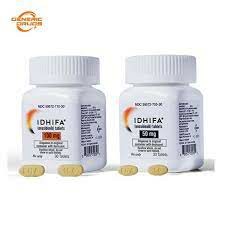
Enasidenib (Enasidenib) is a targeted therapy drug, mainly used to treat acute myeloid leukemia (AML) carrying IDH2 gene mutations. When discussing the treatment strategy and safety of ensidipine, we need to consider its treatment regimen, dose adjustment, clinical efficacy and side effect management.
Treatment strategies:
1.TargetingIDH2mutation: The main mechanism of action of ensidipine is to interfere with abnormal metabolic pathways by inhibiting abnormal IDH2 enzyme activity, thereby inhibiting the growth and proliferation of AML cells. Therefore, the treatment strategy of ensidipine is targeted at patients with AML carrying IDH2 gene mutations, especially those with relapsed or refractory AML.
2.Monotherapy: Ensidipine is usually used as monotherapy, taken orally once daily. The dosage is generally 100mg (mg), and it is recommended to take it after meals. The treatment cycle is 28 days, and the patient needs to continue taking ensidipine until the doctor determines the discontinuation time.
3.Individualized treatment: The treatment strategy of ensidipine needs to be individually adjusted according to the specific situation of the patient. Doctors will determine the most appropriate treatment based on factors such as the patient's age, health, severity of illness, and drug tolerance.
Security:
1.Management of side effects: Although ensidipine is effective in the treatment ofAMLIt shows good efficacy in medicine, but it may also cause some side effects. Common side effects include gastrointestinal discomfort (such as nausea, vomiting, diarrhea), abnormal liver function, bone marrow suppression, etc. Therefore, during treatment with ensidipine, patients need to be regularly monitored and evaluated by a physician to ensure the effectiveness and safety of the treatment.
2.Dose adjustment: During treatment, the dose may need to be adjusted based on the patient's liver function status and drug tolerance. For patients with severe side effects or impaired liver function, dose reduction or treatment suspension may be necessary to avoid further adverse effects.
3.Monitoring and evaluation: During the treatment process, the patient's clinical response and side effects need to be closely monitored, and hematology and liver function tests need to be performed regularly. Depending on the patient's specific situation, the doctor may consider whether to adjust the dose or discontinue the drug based on efficacy and safety.
4.Clinical Practice Guidelines: When deciding on ensidipine treatment options, doctors need to refer to the latest clinical practice guidelines and research results to ensure that patients can get the best treatment effect and minimize the occurrence of adverse reactions.
In summary, ensidipine, as a targeted therapy, has shown good efficacy and safety in the treatment ofAML. When formulating treatment strategies, the patient's individual situation needs to be fully considered, and clinical responses and side effects during treatment need to be closely monitored.
[ 免责声明 ] 本页面内容来自公开渠道(如FDA官网、Drugs官网、原研药厂官网等),仅供持有医疗专业资质的人员用于医学药学研究参考,不构成任何治疗建议或药品推荐。所涉药品可能未在中国大陆获批上市,不适用于中国境内销售和使用。如需治疗,请咨询正规医疗机构。本站不提供药品销售或代购服务。


