
.jpeg)
What should I do if I become resistant to acotinib? How should this be handled?
When patients develop resistance to acotinib (Acalabrutinib), this can present treatment challenges, but it does not mean that there are no other treatment options. The following are management strategies and related considerations for acotinib resistance:
1.Confirm drug resistance: Before considering treatment options, it is first necessary to confirm whether the patient is actually resistant to acotinib. This usually requires a comprehensive clinical evaluation and molecular testing, including clinical manifestations of disease progression, imaging findings, changes in hematological markers, and possible molecular genetic alterations.
2.Looking for resistance mechanisms: Exploring the mechanisms leading to resistance is crucial for selecting subsequent treatment options. Resistance mechanisms may include BTK gene mutations, mutations or overexpression of other molecules in the signaling pathway, etc. A deeper understanding of resistance mechanisms can provide important clues for developing personalized treatment strategies.
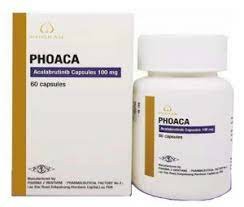
3.Change the treatment plan: Once the patient is confirmed to be resistant to acotinib, it is necessary to consider changing the treatment plan. The choice of subsequent treatment often depends on multiple factors, including the characteristics of the patient's condition, mechanisms of resistance, degree of resistance, and other available treatment options.
4.Consider other BTK inhibitors: For those patients who are still dependent on the BTK signaling pathway, you can consider switching to other BTK inhibitors, such as zanubrutinib (Zanubrutinib). Although their mechanisms of action are similar, for some patients, switching to another BTK inhibitor may result in improved treatment outcomes.
5.Combination therapy: Another option is to combine other drugs with BTK inhibitors to enhance the therapeutic effect or prolong resistance. For example, the combined use of anti-CD20 antibodies (such as rituximab) or other targeted therapies (such as PI3K inhibitors, BCL-2 inhibitors, etc.) may have a synergistic effect and improve the therapeutic effect.
6.Participation in clinical trials: For drug-resistant patients, participation in clinical trials may be a way to gain access to new treatment options. Clinical trials provide insights into the many new drugs and treatment strategies under investigation that may bring new hope to drug-resistant patients.
7.Supportive treatment and symptom control: No matter which treatment option is chosen, the patient's supportive treatment and symptom control need to be considered. This includes proactive management of anemia, infection, pain and other related symptoms to improve patient quality of life.
8.Pay attention to mental health: For drug-resistant patients and their families, facing treatment failure and disease progression can cause psychological and emotional stress. Therefore, providing psychological support and mental health services is also very important.
When dealing with acotinib resistance, it is necessary to comprehensively consider the patient's condition, treatment goals, and available treatment options to develop an individualized treatment plan. At the same time, close monitoring of changes in the patient's condition and timely adjustment of treatment strategies are the key to ensuring that patients obtain the best treatment results.
[ 免责声明 ] 本页面内容来自公开渠道(如FDA官网、Drugs官网、原研药厂官网等),仅供持有医疗专业资质的人员用于医学药学研究参考,不构成任何治疗建议或药品推荐。所涉药品可能未在中国大陆获批上市,不适用于中国境内销售和使用。如需治疗,请咨询正规医疗机构。本站不提供药品销售或代购服务。


