
.jpeg)
Is it okay to take neratinib/neratinib for half a year?
Neratinib after completion of trastuzumab treatment/Neratinib has been shown to reduce the risk of disease recurrence in patients with HER2-positive early-stage breast cancer, and long-term adjuvant treatment appears to be advisable in these patients. The most common side effect of neratinib and other anti-HER2 therapies in clinical trials was diarrhea. Neratinib is usually used as a long-term treatment regimen and needs to be administered under the guidance of a doctor. Treatment options may vary based on the individual's specific circumstances and condition.
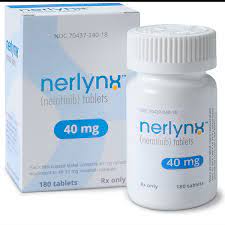
Neratinib is an oral tyrosine kinase inhibitor that targets HER1 and HER4 in addition toHER2. It binds irreversibly at the adenosine triphosphate (ATP) binding site. The rationale for extending adjuvant neratinib after one year of trastuzumab is that 25% of women who receive adjuvant trastuzumab relapse after 8 to 10 years and this risk is not reduced by longer duration of adjuvant trastuzumab. In contrast, neratinib 1 year after completion of trastuzumab has been shown to reduce the risk of disease recurrence.
While using neratinib, patients may face some side effects. Common side effects include nausea, vomiting, diarrhea, rash, redness, swelling and pain. The severity and duration of these side effects vary between individuals. The main toxicity of neratinib is diarrhea, but this can be controlled with appropriate management.
Neratinib can only be used as a prescription drug prescribed by a doctor. Patients should use it in accordance with the doctor's recommendations and dosage, and do not adjust the dosage or stop taking the drug on their own. It is important to have regular follow-up visits so that your doctor can monitor your condition and the effectiveness of your treatment and make adjustments as needed.
[ 免责声明 ] 本页面内容来自公开渠道(如FDA官网、Drugs官网、原研药厂官网等),仅供持有医疗专业资质的人员用于医学药学研究参考,不构成任何治疗建议或药品推荐。所涉药品可能未在中国大陆获批上市,不适用于中国境内销售和使用。如需治疗,请咨询正规医疗机构。本站不提供药品销售或代购服务。


