
.jpeg)
The effects and side effects of giritinib
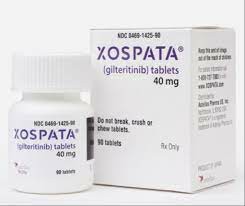
Gilteritinib is an oral drug that belongs to the tyrosine kinase inhibitor class and is commonly used to treat certain types of leukemia, specifically FLT3-ITD (internal dinucleotide Relapsed or refractory AML (acute myeloid leukemia) mutated (acid insertion) or FLT3-TKD (point mutation within the tyrosine kinase domain). The following is a detailed introduction to the efficacy and side effects of giritinib:
Efficacy:
1.Targeted inhibition of FLT3kinase activity: The main mechanism of action of giritinib is to inhibit the abnormally active FLT3kinase in leukemia cells. FLT3kinase plays an important role in regulating cell proliferation and survival in normal cells, but in leukemia cells, especially those cells carrying FLT3 mutations, its activity is abnormally enhanced. The targeting effect of giritinib can precisely inhibit the activity of FLT3 kinase, thereby preventing the proliferation and survival of leukemia cells.
2.Improve the prognosis ofAML patients: For patients with relapsed or refractory AML carrying FLT3 mutations, the use of giritinib can significantly improve the prognosis of the patients. Clinical trial results show that giritinib treatment can alleviate leukemia in some patients, prolong survival, and improve the success rate of treatment.
3.Convenient oral administration: Giritinib is provided in an oral dosage form, which can be conveniently taken by patients at home without hospitalization. This convenient delivery method helps improve patients' treatment compliance and quality of life.
Side effects:
1.Digestive tract discomfort: During treatment with giritinib, some patients may experience gastrointestinal discomfort symptoms such as nausea, vomiting, and diarrhea. These side effects are usually mild to moderate and may lessen or disappear during treatment.
2.Fatigue and fatigue: Some patients may experience fatigue and fatigue after taking giritinib. This feeling may interfere with daily activities and quality of life, but is usually temporary and gradually lessens with treatment.
3.Liver function abnormalities: During geritinib treatment, some liver function abnormalities may occur, such as elevated transaminases. Therefore, doctors usually monitor patients' liver function indicators regularly during treatment to detect and deal with any abnormalities in a timely manner.
4.Electrocardiogram abnormalities: There are reports that giritinib may cause electrocardiogram abnormalities, such as QT interval prolongation. Therefore, doctors usually monitor EKGs regularly during treatment to make sure the patient's heart is functioning properly.
5.Myelosuppression: The use of giritinib may cause bone marrow suppression, including leukopenia, anemia and thrombocytopenia. Therefore, doctors usually monitor the patient's blood during treatment and take appropriate measures as needed.
6.Other side effects: Including headache, fever, rash, joint pain, etc. These side effects are usually temporary, and most patients are able to gradually adapt to the treatment and reduce their symptoms.
Although giritinib may cause some side effects, most side effects are temporary and manageable. Patients should pay close attention to their physical condition while using giritinib and have regular follow-up visits to monitor the efficacy and occurrence of side effects. If any discomfort or doubt occurs, patients should consult their doctor in time to receive timely guidance and treatment.
[ 免责声明 ] 本页面内容来自公开渠道(如FDA官网、Drugs官网、原研药厂官网等),仅供持有医疗专业资质的人员用于医学药学研究参考,不构成任何治疗建议或药品推荐。所涉药品可能未在中国大陆获批上市,不适用于中国境内销售和使用。如需治疗,请咨询正规医疗机构。本站不提供药品销售或代购服务。


