
.jpeg)
Brigatinib/Brigatinib’s primary target
Brigatinib is a novel molecule that is very effective in treating non-small cell lung cancer and certain drug-resistant cases where other ALK inhibitors have failed. The potent anticancer activity of brigatinib is attributed to its chemical structure, which contains multiple functionalities as well as phosphorus atoms that bind to target proteins.
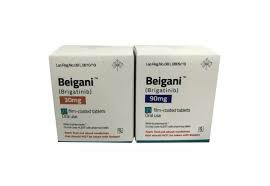
Brigatinib exhibits its anti-cancer activity by effectively inhibiting ALK (anaplastic lymphoma kinase), insulin growth factor receptor-1, EGFR (epidermal growth factor receptor), and multiple kinases such as CD135 (also known as FLT3, fms-like tyrosine kinase 3). Its main mechanism of action is to block the binding of phosphate groups to ALK, thereby preventing the phosphorylation of other proteins related to lung cancer. Multiple studies on mice have revealed that brigatinib can not only inhibit the proliferation of various cell lines, but also effectively prevent the production of nucleophosmin and ALK fusion genes. In addition, it can inhibit various mutants such as G1202R, L1196M and so on.
In addition to the treatment of lung cancer, brigatinib also brings new hope to patients with brain diseases. The study found that at concentrations lower than 500nM, brigatinib can effectively inhibit the carcinogenic ability of cells and play a role in cases that are resistant to traditional ALK inhibitors. It is worth mentioning that although brigatinib is generally considered a safe drug, more than 10% of patients receiving standard doses reported some common side effects, such as increased blood sugar, nausea, diarrhea, cough and headache. At the same time, some rarer adverse reactions were observed in a small number of patients, including hypertension, pneumonia, interstitial lung disease/pneumonitis, and visual impairment).
[ 免责声明 ] 本页面内容来自公开渠道(如FDA官网、Drugs官网、原研药厂官网等),仅供持有医疗专业资质的人员用于医学药学研究参考,不构成任何治疗建议或药品推荐。所涉药品可能未在中国大陆获批上市,不适用于中国境内销售和使用。如需治疗,请咨询正规医疗机构。本站不提供药品销售或代购服务。


