
.jpeg)
Resistance time and treatment of neratinib (neratinib)
Neratinib (Neratinib) is a drug used to treat HER2-positive breast cancer. It inhibits the activity of HER2 receptors, thereby inhibiting the growth and spread of cancer cells. Althoughneratinib (neratinib) shows good efficacy in some patients, resistance problems remain. The following will introduce the resistance time of neratinib (neratinib) and possible resistance treatment methods.
Neratinib (Neratinib) Resistance Time
The resistance time to neratinib varies depending on individual patient differences and other factors, but based on data from clinical studies and clinical practice, the following general observations can be summarized:
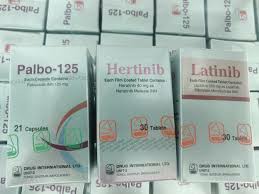
1.Duration of resistance to first-line treatment: In some studies, the duration of resistance to first-line treatment with neratinib (neratinib) can extend to one year or longer. However, in some patients, resistance may emerge more quickly and may begin to be observed within a few months.
2.Time of resistance in second-line treatment: For those patients who develop resistance to first-line treatment, their time of resistance in second-line treatment may be shortened. This can lead to a rapid loss of treatment effectiveness, with resistance sometimes being observed within months.
3.The relationship between resistance and duration of efficacy: Generally speaking, the duration of efficacy of neratinib (neratinib) is related to the duration of resistance. If a patient responds well to initial treatment with neratinib (neratinib), it usually means resistance may be longer, and vice versa.
4.Influencing factors: The time of drug resistance is affected by many factors, including the patient's genetic variation, the molecular subtype of the cancer, and the choice of treatment regimen. Therefore, it is difficult to predict the duration of resistance in a specific patient.
Resistance treatment methods
Although drug resistance is a common challenge, there are ways to prolong the efficacy of neratinib or overcome drug resistance:
1.Combination therapy: Combining neratinib (neratinib) with other drugs or treatments may help prolong its effectiveness. For example, combinations with chemotherapy drugs, targeted therapies, or immunotherapy drugs can enhance the effectiveness of treatment and slow the development of drug resistance.
2.Drug rotation: When signs of resistance appear, doctors may consider switching to other treatments such as neratinib to prevent the cancer cells from developing further resistance to the drug.
3.Personalization of targeted therapy: Carry out genetic testing and molecular analysis, and select a more personalized targeted therapy plan based on the patient's genetic variation and tumor characteristics, which may improve the efficacy and reduce the risk of drug resistance.
4.Clinical trials: Participating in clinical trials may provide patients with the opportunity to obtain new treatments, including new drugs under research, new combination treatment regimens, etc., which may be effective in patients who have developed drug resistance.
5.Supportive treatment: For patients who have developed drug resistance, supportive treatment measures, such as pain management, psychological support, nutritional support, etc., can improve the quality of life and prolong survival.
In summary, although neratinib is an effective treatment, drug resistance is still a problem that needs attention. Personalized treatment, combination therapy, and participation in clinical trials may be key to meeting the challenge of drug resistance. At the same time, continued research and clinical practice will also help us better understand the mechanisms of resistance and develop more effective treatment strategies.
[ 免责声明 ] 本页面内容来自公开渠道(如FDA官网、Drugs官网、原研药厂官网等),仅供持有医疗专业资质的人员用于医学药学研究参考,不构成任何治疗建议或药品推荐。所涉药品可能未在中国大陆获批上市,不适用于中国境内销售和使用。如需治疗,请咨询正规医疗机构。本站不提供药品销售或代购服务。


