
.jpeg)
Instructions for use of the breast cancer targeted drug neratinib (neratinib)
1. Overview of Drugs
Neratinib (Neratinib) is an oral targeted therapy for breast cancer and a tyrosine kinase inhibitor. It blocks the proliferation and survival signaling pathways of cancer cells by inhibiting the activity of HER2 receptors and other tyrosine kinases, and is used to treat HER2-positive breast cancer. Neratinib is an oral medication that patients can take at home.
2. Indications
Neratinib (neratinib) is indicated for the treatment of the following types of breast cancer:
1.Local advanced or metastatic breast cancer that has received at least2HER2 targeted therapies (such as trastuzumab and trastuzumab combined with pemetrexed).
2.As adjuvant treatment for HER2 positive early breast cancer that has received first-line treatment.
3. Usage and dosage
1.Treatment options for locally advanced or metastatic breast cancer:
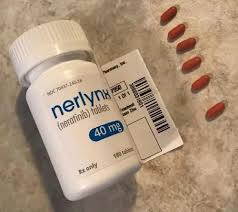
Orally 1 time daily, it is recommended to be taken with food.
The recommended starting dose is 240mg per day, and continuous use 21 days constitutes a treatment cycle.
After the treatment cycle ends, stop taking the drug for 7 days.
Start the next treatment cycle on the 8 day after 21 days of continuous use.
2.Adjuvant treatment options:
Start neratinib (neratinib) after other chemotherapy drugs or radiation therapy.
Orally 1 time daily, it is recommended to be taken with food.
The recommended starting dose is 240mg daily for 1 year.
3.Dose adjustment:
The dose may be adjusted as appropriate based on the patient's tolerance and adverse reactions.
In the event of serious adverse reactions, treatment may need to be suspended or the dose reduced.
4.Missed dose:
If a patient misses a dose, the dose should be taken at the next scheduled time and should not be taken as a double dose on the same day.
4. Things to note
1.Pre-pregnancy testing and contraception: Before starting to use neratinib (neratinib) , female patients should undergo pre-pregnancy testing and take effective contraceptive measures to avoid pregnancy during treatment.
2.Adverse reaction management: Patients may experience adverse reactions during the use of neratinib (neratinib) , including diarrhea, rash, nausea, vomiting, etc. Doctors should manage and handle adverse reactions based on the patient's specific conditions.
3.Drug Interactions: While taking neratinib , patients should inform their doctor about all medications they are taking, including prescription drugs, over-the-counter drugs, supplements, and herbal medicines.
4.Liver function monitoring: During the treatment period, the patient’s liver function indicators should be regularly monitored in order to detect and deal with abnormal liver function in a timely manner.
5.Treatment monitoring: During treatment, doctors should regularly monitor the patient's condition and treatment effects, including tumor size, biochemical indicators, etc.
5. Storage and use
1.Storage conditions: Neratinib (neratinib) should be stored in a cool, dry place away from light and moisture.
2.Dosing sequence: Patients should use neratinib (neratinib) correctly in accordance with the doctor’s recommendations and prescriptions and should not change the dosage or medication time on their own.
3.Handling of expired drugs: Drugs should not be used after they expire and should be handled in accordance with drug disposal regulations.
Neratinib (neratinib) is an effective targeted therapy for breast cancer, suitable for adjuvant treatment of HER2-positive locally advanced, metastatic breast cancer and early breast cancer. Patients should strictly abide by the doctor's recommendations and prescriptions during use and have regular follow-up visits to ensure the therapeutic effect and reduce the occurrence of adverse reactions. If you have any questions or discomfort, you should consult your doctor promptly.
[ 免责声明 ] 本页面内容来自公开渠道(如FDA官网、Drugs官网、原研药厂官网等),仅供持有医疗专业资质的人员用于医学药学研究参考,不构成任何治疗建议或药品推荐。所涉药品可能未在中国大陆获批上市,不适用于中国境内销售和使用。如需治疗,请咨询正规医疗机构。本站不提供药品销售或代购服务。


