
.jpeg)
What is the difference between brigatinib/brigatinib and osimertinib?
Brigatinib is a second-generation anaplastic lymphoma kinase (ALK) inhibitor used to treat ALK-positive non-small cell lung cancer. Osimertinib is a third-generation, oral, irreversible epidermal growth factor receptor (EGFR) tyrosine kinase inhibitor (TKI) specifically indicated for the treatment of non-small cell lung cancer (NSCLC) with EGFR mutations, including the T790M mutation. When deciding between the two, the choice depends largely on the specific genetic mutation of the patient's cancer; osimertinib is used for EGFR mutations, while brigatinib is used for ALK-positive cases.
1. Function:
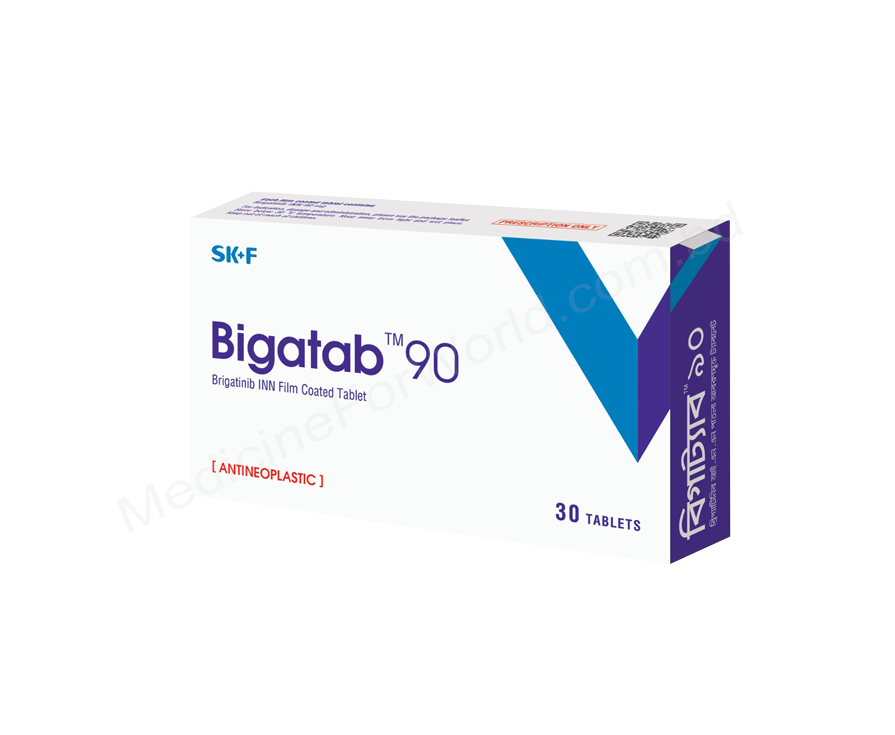
Brigatinib is a second-generation anaplastic lymphoma kinase (ALK) inhibitor used to treat ALK-positive non-small cell lung cancer. It is designed to overcome resistance to the first-generation ALK inhibitor crizotinib. Brigatinib has been shown to be effective in patients who have progressed on crizotinib and is also being evaluated as first-line therapy. It has shown high efficacy in terms of PFS and ORR in patients with ALK-positive non-small cell lung cancer.
Osimertinib is a third-generation irreversible epidermal growth factor receptor (EGFR) tyrosine kinase inhibitor (TKI) specifically used to treat certain types of non-small cell lung cancer. It is particularly effective in patients with tumors harboring the EGFR T790M mutation, a common resistance mechanism to earlier EGFR inhibitors. Osimertinib showed significant improvement in progression-free survival (PFS) compared with standard first-line treatment in patients with EGFR-mutated NSCLC.
2. Efficacy:
The efficacy of brigatinib was highlighted in the ALTA-1L trial, a phase III study comparing brigatinib and crizotinib in patients with ALK-positive non-small cell lung cancer who had not received prior ALK inhibitor therapy. The trial results showed that brigatinib significantly improved PFS compared with crizotinib. Furthermore, brigatinib showed higher intracranial ORR in patients with brain metastases, a common complication of ALK-positive non-small cell lung cancer. This suggests that brigatinib may be particularly beneficial in patients with central nervous system involvement.
Clinical trials have proven the efficacy of osimertinib in the treatment of non-small cell lung cancer. The FLAURA study is a pivotal Phase III clinical trial comparing the efficacy of osimertinib with standard EGFR-TKIs (erlotinib or gefitinib) in the first-line treatment of patients with EGFR-mutated non-small cell lung cancer. The results showed that osimertinib significantly prolonged PFS, with a median time of 18.9 months compared with 10.2 months in the control group. Additionally, osimertinib was associated with higher objective response rate (ORR) and longer duration of response (DoR).
[ 免责声明 ] 本页面内容来自公开渠道(如FDA官网、Drugs官网、原研药厂官网等),仅供持有医疗专业资质的人员用于医学药学研究参考,不构成任何治疗建议或药品推荐。所涉药品可能未在中国大陆获批上市,不适用于中国境内销售和使用。如需治疗,请咨询正规医疗机构。本站不提供药品销售或代购服务。


