
.jpeg)
What are the side effects of Osimertinib (Tagressa)? How to deal with side effects?
Osimertinib (Osimertinib), as a targeted therapy drug, usually shows low toxic and side effects when treating patients with non-small cell lung cancer (NSCLC). However, like all drugs, osimertinib may cause some adverse effects. The following will introduce the common side effects of osimertinib and how to deal with them:
1.Skin reaction:
Side effects: Osimertinib may cause skin reactions, including rash, itching, dryness, and scaling. Some patients may develop a severe rash or even an acneiform rash.
Treatment: Patients are advised to keep their skin clean and use mild cleansers and moisturizers. Avoid harsh cosmetics and soaps. For mild rashes, no special treatment is usually needed, but for severe rashes, topical or oral allergy medications, such as antihistamines or corticosteroids, may be needed.
2.Diarrhea:
Side Effects: During treatment with osimertinib, some patients may experience diarrhea, which may lead to dehydration and electrolyte imbalance.
Management method: It is recommended that patients increase their water intake and maintain body water balance. Also, avoid stimulating foods and drinks, such as caffeine and fatty foods. If diarrhea persists or worsens, patients should seek medical attention promptly and may need oral or intravenous fluids.
3.Fatigue:
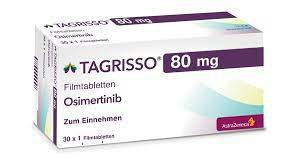
Side Effects: Some patients may experience fatigue and weakness during treatment with osimertinib.
Management method: It is recommended that patients maintain adequate rest and arrange daily activities reasonably. Moderate exercise can help relieve fatigue. If fatigue interferes with daily life, patients should discuss it with their doctor, who may need to adjust medication dosage or take other measures.
4.Abnormal liver function:
Side Effects: Osimertinib may cause liver function abnormalities, including elevated aminotransferase levels.
Management method: Doctors usually monitor patients' liver function indicators regularly. If liver function abnormalities are found, osimertinib therapy may need to be suspended and liver function status further evaluated. In some cases, medications or other measures may be needed to restore liver function.
5.Visual issues:
Side effects: During treatment with osimertinib, some patients may experience visual problems, such as blurred vision, dry eyes, etc.
Management: Patients should have regular eye exams to monitor vision and eye health. If vision problems occur, patients should promptly inform their physician, which may require further evaluation and treatment.
6.Cardiotoxicity:
Side effects: During treatment with osimertinib, some patients may experience cardiotoxicity, such as arrhythmia, pericarditis, etc.
Management: Doctors usually monitor the patient's electrocardiogram and heart function. If cardiotoxicity is detected, osimertinib therapy may need to be withheld and further evaluated. In some cases, medications or other measures may be needed to manage cardiotoxicity.
Other common side effects: There are some other possible side effects, such as headache, cough, loss of appetite, etc. If patients experience any discomfort or unusual symptoms, they should inform their doctor promptly so that they can be evaluated and treated.
In general, osimertinib, as a targeted therapy, usually shows low toxic and side effects when treatingNSCLC patients. However, patients should pay close attention to any discomfort or unusual symptoms and notify their doctor promptly. The doctor will evaluate the patient's specific situation and provide corresponding treatment suggestions to ensure that the patient can receive treatment safely and effectively.
[ 免责声明 ] 本页面内容来自公开渠道(如FDA官网、Drugs官网、原研药厂官网等),仅供持有医疗专业资质的人员用于医学药学研究参考,不构成任何治疗建议或药品推荐。所涉药品可能未在中国大陆获批上市,不适用于中国境内销售和使用。如需治疗,请咨询正规医疗机构。本站不提供药品销售或代购服务。


