
.jpeg)
What is the difference between osimertinib (Tagressa) and ametinib?
Osimertinib) and almonertinib (Almonertinib) are both targeted therapy drugs used to treat EGFR (epidermal growth factor receptor) mutation-positive advanced non-small cell lung cancer (NSCLC). They have some things in common, but there are also some differences. The following is a comparison of osimertinib and ametinib:
1.Drug structure:
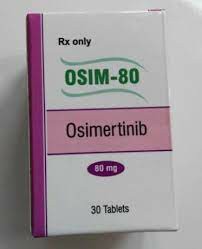
Osimertinib (Osimertinib): Osimertinib is a third-generation EGFRtyrosine kinase inhibitor (TKI), which blocks the growth and spread of tumor cells by inhibiting the activity of EGFR mutant proteins. Osimertinib has unique characteristics and can inhibit common mutations of EGFR mutant proteins, such as the T790M mutation, and has a good control effect on central nervous system (CNS) metastasis.
Almonertinib (Almonertinib): Almonertinib is a new third-generation EGFR TKI, also designed to treat EGFR mutation-positive NSCLC. Compared with osimertinib, ametinib has a different chemical structure and mechanism of action, and its specific inhibitory effects and resistance mechanisms may be different.
2.Indications:
Osimertinib (Osimertinib): Osimertinib has been approved for the treatment of EGFR mutation-positive advanced NSCLC, including the treatment of patients with first-line and later-line treatment. In addition, osimertinib is approved for the treatment of metastatic NSCLC with EGFR T790M-positive mutations.
Almonertinib: Almonertinib is currently in clinical trials and has not yet been approved for clinical treatment. However, preliminary research data shows that ametinib has a better therapeutic effect on EGFR T790M-positive NSCLC, especially in patients who develop resistance after osimertinib treatment.
3.Resistance mechanism:
Osimertinib (Osimertinib): The development of drug resistance may occur when Osimertinib treats EGFR mutation-positive NSCLC. One of the most common resistance mechanisms is the new EGFR T790M mutation. In addition, there are other resistance mechanisms, such as MET enhancement, KRAS mutations, etc.
Almonertinib (Almonertinib): Since Almonertinib is a new third-generation EGFR TKI, its resistance mechanism may be different from that of osimertinib. Current clinical studies have not yet fully elucidated the resistance mechanism of ametinib, but preliminary data show that ametinib has a certain efficacy in patients with resistance to osimertinib.
4.Side effects:
Osimertinib: Common side effects of Osimertinib include rash, diarrhea, nausea, fatigue, etc. In addition, osimertinib may cause serious respiratory problems, cardiovascular problems, and visual problems.
Almonertinib (Almonertinib): Since Almonertinib has not been approved for clinical treatment, its detailed side effects have not yet been fully determined. However, as a new third-generation EGFR TKI, ametinib may cause side effects similar to other similar drugs, such as rash, diarrhea, fatigue, etc.
To sum up, osimertinib and ametinib are both targeted therapies for the treatment of EGFRmutation-positive late-stage NSCLC. They have some similarities, but there are also some differences, including drug structure, indications, resistance mechanisms and side effects. With the development of further clinical research and clinical practice, the status and role of these two drugs in the treatment of lung cancer will be more clearly defined.
[ 免责声明 ] 本页面内容来自公开渠道(如FDA官网、Drugs官网、原研药厂官网等),仅供持有医疗专业资质的人员用于医学药学研究参考,不构成任何治疗建议或药品推荐。所涉药品可能未在中国大陆获批上市,不适用于中国境内销售和使用。如需治疗,请咨询正规医疗机构。本站不提供药品销售或代购服务。


