
.jpeg)
Is capmatinib an anti-angiogenic drug?
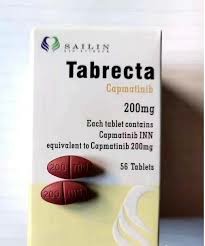
Capmatinib (Capmatinib) is an orally bioavailable, highly selective, and potent small molecule MET (methionine) inhibitor. It has been proven to effectively inhibit the methionine pathway in vivo and in vitro, and has anti-tumor activity in non-small cell lung cancer in vivo and in vitro. In the GEOMETRY Mono-1 study, treatment with capmatinib resulted in higher response rates in patients with stage IV NSCLC with MET exon 14 skipping mutations, particularly in first-line patients, supporting the detection of this biomarker at the time of diagnosis. However, capmatinib is not an anti-angiogenic drug.
Anti-angiogenic drugs are drugs that inhibit tumor angiogenesis. Tumor formation and development require a blood supply, so inhibiting tumor angiogenesis can block tumor growth and spread. This type of drug mainly reduces the formation of new blood vessels by interfering with the signaling pathways that interact between tumor cells and vascular endothelial cells.
Unlike anti-angiogenic drugs, capmatinib interferes with the growth and spread of cancer cells by inhibiting tyrosine kinases. Tyrosine kinase is a key protein involved in tumor cell proliferation and invasion. Capmatinib blocks the growth and spread of cancer cells by selectively inhibiting overactive tyrosine kinases on tumor cells.
The main mechanism of action of capmatinib is by inhibiting the activity of MET receptor tyrosine kinase in tumor cells. MET is a receptor tyrosine kinase involved in regulating cell proliferation, survival and migration. MET is overexpressed or mutated and activated in a variety of tumors, and is closely related to tumor development and progression. The inhibitory effect of capmatinib can reduce the activity of the MET signaling pathway, thereby inhibiting the growth, invasion and metastasis of tumor cells.
[ 免责声明 ] 本页面内容来自公开渠道(如FDA官网、Drugs官网、原研药厂官网等),仅供持有医疗专业资质的人员用于医学药学研究参考,不构成任何治疗建议或药品推荐。所涉药品可能未在中国大陆获批上市,不适用于中国境内销售和使用。如需治疗,请咨询正规医疗机构。本站不提供药品销售或代购服务。


