
.jpeg)
Safety assessment of taking apremilast (apmilast) for the treatment of psoriasis
Apremilast(Apremilast) is an oral medication used to treat psoriasis (psoriasis) and psoriatic arthritis (psoriatic arthritis). When evaluating its safety, we need to comprehensively consider data from clinical trials to understand its possible side effects and safety performance during treatment.
1. Gastrointestinal reactions:
In clinical trials, Apremilast (Apremilast) One of the common side effects is gastrointestinal reactions, including nausea, diarrhea, abdominal pain, etc. However, these side effects are usually mild to moderate and gradually lessen during the early stages of treatment. According to research, most patients adapt to these side effects within the first few weeks of treatment and usually do not need to discontinue the medication.
2. Skin reaction:
In clinical trials, some patients may experience mild skin reactions, such as rash or itching. These reactions are usually temporary and rarely cause patients to discontinue treatment.
3. Infection risk:
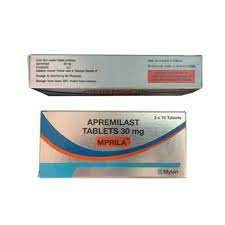
Due to Apremilast's modulating effects on the immune system, patients may be at increased risk of infection during treatment. However, in clinical trials, no significant increase in the risk of serious infection was observed with apremilast compared with placebo.
4. Cardiovascular safety:
In some clinical trials, there was no significant difference in the rate of cardiovascular events between the apremilast (apmilast) treatment group and the placebo group. However, patients at risk for cardiovascular disease, especially older patients, should use Apremilast with caution and consult a physician before use.
5. Abnormal liver function:
In clinical trials, it has been reported that a small number of patients experienced mild liver function abnormalities, such as ALT and AST elevations. Therefore, it is recommended to monitor liver function indicators regularly during treatment.
6. Mental health:
In some studies, patients in the Apremilast (apmilast) treatment group have been found to fare better in terms of mental health compared with the placebo group, which may be related to improvements in disease symptoms and improved quality of life.
Taken together, Apremilast (Apremilast) has a good safety profile in the treatment of psoriasis. Most side effects are mild to moderate and usually lessen gradually during the early stages of treatment. Although there are some potential safety concerns, such as gastrointestinal effects and the risk of infection, the benefits of apremilast (apmilast) generally outweigh its potential risks, especially when treatment is administered under the supervision of both the patient and physician. However, patients should pay close attention to any adverse reactions while using Apremilast and report them to their doctors in a timely manner to ensure the safety and effectiveness of the treatment.
[ 免责声明 ] 本页面内容来自公开渠道(如FDA官网、Drugs官网、原研药厂官网等),仅供持有医疗专业资质的人员用于医学药学研究参考,不构成任何治疗建议或药品推荐。所涉药品可能未在中国大陆获批上市,不适用于中国境内销售和使用。如需治疗,请咨询正规医疗机构。本站不提供药品销售或代购服务。


