
.jpeg)
Detailed explanation of the efficacy and role of lorlatinib/lorlatinib
Lorlatinib (Lorlatinib) is a drug used to treat certain types of lung cancer. It belongs to a class of drugs called tyrosine kinase inhibitors (ALK), which are mainly used to treat non-small cell lung cancer (NSCLC) that is positive for the ALK fusion gene. Lorlatinib blocks the growth and spread of tumor cells by inhibiting the activity of ALK fusion proteins and other mutant proteins related to ALK. Specifically, lorlatinib can target the kinases of multiple cell signaling pathways and block the proliferation and survival of tumor cells.
The efficacy and effects of lorlatinib include the following aspects:
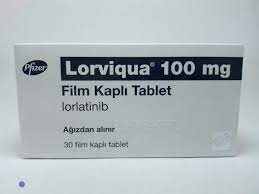
1. Anti-tumor effect: Lorlatinib can inhibit the growth and spread of lung cancer cells, reduce tumor size, and delay the progression of the disease.
2. Treatment of recurrent or metastatic lung cancer: Lorlatinib is used to treat ALK fusion gene-positive non-small cell lung cancer that has recurred or metastasized, including those patients who are resistant to other ALK inhibitors.
3. Penetrating the blood-brain barrier: Lorlatinib can act on the central nervous system by penetrating the blood-brain barrier, and it also has certain curative effects on patients with brain metastases.
4. Safety and tolerability: Lorlatinib has shown good safety and good tolerability in clinical trials, and can provide long-term treatment options.
However, like all medications, lorlatinib may have some side effects. Common side effects include fatigue, vomiting, constipation, diarrhea, loss of appetite, dizziness, etc. In addition, lorlatinib may cause serious adverse reactions such as arrhythmia, pneumonia, and interstitial lung disease. Therefore, when using lorlatinib, it should be monitored and managed under the guidance of a physician.
[ 免责声明 ] 本页面内容来自公开渠道(如FDA官网、Drugs官网、原研药厂官网等),仅供持有医疗专业资质的人员用于医学药学研究参考,不构成任何治疗建议或药品推荐。所涉药品可能未在中国大陆获批上市,不适用于中国境内销售和使用。如需治疗,请咨询正规医疗机构。本站不提供药品销售或代购服务。


