
.jpeg)
Lorlatinib/lorlatinib: the leading third-generation ALK-targeted drug
Lorlatinib/lorlatinib (Lorlatinib) is the third generation ALK (anaplastic lymphoma kinase)-targeted drug currently used clinically. As a highly efficient and selective ALK tyrosine kinase inhibitor (TKI), lorlatinib has shown superior results in biochemical and cellular testing compared with second-generation inhibitors, and can cover a wider range of ALK resistance mutations.
Lorlatinib's unique design enables it to cross the blood-brain barrier and achieve high exposure in the central nervous system, a property that gives it significant advantages in the treatment of brain metastases. In clinical trials, lororalatinib demonstrated potent antitumor activity, particularly intracranial activity, in patients with prior baseline CNS disease, including leptomeningeal disease.
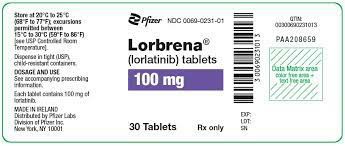
Although many patients have dramatic initial responses to second-generation ALK TKIs (eg, ceritinib, alectinib, brigatinib), tumors often develop resistance over time, leading to disease progression. Andlorlatinibmaintains a strong therapeutic effect even after previousALK inhibitor treatment has failed, making it a standard treatment option for ALK-positive patients who have failed to respond to one or more ALK inhibitors.
However, with the deepening of research, resistance to lorlatinib in some patients has gradually emerged. Therefore, in order to meet the therapeutic needs of ALK-positive NSCLC patients, there is an urgent need to develop a new generation of ALK TKIs to overcome lorlatinib resistance mediated by compound mutations. Despite this, lorlatinibis still regarded as one of the most effective treatment options currently, bringing new hope to patients withALK-positive non-small cell lung cancer.
[ 免责声明 ] 本页面内容来自公开渠道(如FDA官网、Drugs官网、原研药厂官网等),仅供持有医疗专业资质的人员用于医学药学研究参考,不构成任何治疗建议或药品推荐。所涉药品可能未在中国大陆获批上市,不适用于中国境内销售和使用。如需治疗,请咨询正规医疗机构。本站不提供药品销售或代购服务。


