
.jpeg)
What are the precautions for acalatinib/acalabrutinib?
During clinical studies of acalabrutinib/acalabrutinib, warnings and precautions such as serious and opportunistic infections, bleeding, cytopenias, second primary malignancies, atrial fibrillation and flutter have emerged. Discontinue and resume at reduced dose upon recovery, or permanently discontinue based on severity.
1. Serious and opportunistic infections: Patients with hematological malignancies receiving acotinib have experienced fatal and serious infections, including opportunistic infections (bacteria, viruses, or fungi), with the most common cause being respiratory tract infection. Opportunistic infections in acotinib recipients include, but are not limited to, hepatitis B virus reactivation, fungal pneumonia, Pneumocystis pneumonia, Epstein-Barr virus reactivation, cytomegalovirus, and progressive multifocal leukoencephalopathy (PML). Consider prophylaxis in patients at increased risk for opportunistic infections. Monitor patients for signs and symptoms of infection and treat promptly.
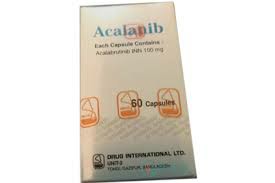
2. Bleeding: Fatal and serious bleeding events have occurred in patients with hematological malignancies receiving acotinib. Concomitant use of antithrombotic agents with acotinib may further increase the risk of bleeding. Consider the risks and benefits of coadministering antithrombotic agents with carqueline. Monitor patients for signs of bleeding. Depending on the type of surgery and risk of bleeding, consider the pros and cons of stopping medication for 3 to 7 days before and after surgery.
3. Cytopenia: Patients with hematological malignancies who received acotinib treatment developed grade 3 or 4 cytopenias, including neutropenia, anemia, thrombocytopenia and lymphopenia. Monitor complete blood counts regularly during treatment. Interrupt treatment, reduce dose, or discontinue treatment as needed.
4. Second primary malignant tumors: In clinical trials, 12% of 1,029 patients exposed to acotinib developed second primary malignant tumors, including skin cancer and other solid tumors. The most common second primary malignancy is skin cancer, which is reported to occur in 6% of patients. Monitor patients with skin cancer and recommend avoiding sun exposure.
5. Atrial fibrillation and flutter: In clinical studies, grade 3 atrial fibrillation or atrial flutter has appeared. Patients with cardiac risk factors, hypertension, previous cardiac arrhythmias, and acute infections may be at increased risk. Monitor for arrhythmia symptoms (e.g., palpitations, dizziness, syncope, difficulty breathing) and treat appropriately.
6. Embryo-Fetal toxicity: According to animal experiment results, pregnant women taking acotinib may cause fetal harm and dystocia. There are no data available in pregnant women to inform drug-related risks. In animal reproduction studies, acotinib administered to animals during organogenesis caused dystocia in rats and reduced fetal growth in rabbits at maternal exposures (AUC) 2 times the patient exposure (approximately 100 mg every 12 hours). Inform pregnant women of potential risks to the fetus. If this drug is used during pregnancy, or if the patient becomes pregnant while taking this drug, the patient should be informed of the potential harm to the fetus.
[ 免责声明 ] 本页面内容来自公开渠道(如FDA官网、Drugs官网、原研药厂官网等),仅供持有医疗专业资质的人员用于医学药学研究参考,不构成任何治疗建议或药品推荐。所涉药品可能未在中国大陆获批上市,不适用于中国境内销售和使用。如需治疗,请咨询正规医疗机构。本站不提供药品销售或代购服务。


