
.jpeg)
Acalatinib/Acalatinib tablets: considerations and guidance for long-term use
Acalabrutinib, an anti-cancer drug for adults with chronic lymphocytic leukemia (CLL), has won widespread recognition in the medical community. CLL, a malignant blood disease that affects B cells (a type of white blood cell), poses a serious threat to patients' quality of life and survival. Acalabrutinib, which contains the unique active ingredient acalabrutinib, provides a new treatment option for these patients.
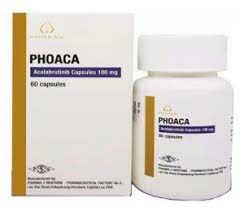
Acotinib can be used as monotherapy in patients with CLL who have already received other treatments. For patients who are facing this disease for the first time, acotinib can be used alone or in combination with another anti-cancer drug, obinutuzumab, to demonstrate its therapeutic effect. In addition, acotinib has also shown good efficacy in the treatment of mantle cell lymphoma and small lymphocytic lymphoma.
When talking about whether acotinib can be taken long-term, we must first be clear that this is not a simple "yes" or "no" question. The answer depends deeply on the patient's specific condition, physical condition, and other relevant health factors. For CLL, a chronic disease, ongoing treatment is often essential. As for acotinib, as a long-term treatment that is considered to be continuously effective, its taking method is relatively simple: take one tablet twice a day, about 12 hours apart, and can be easily taken at home or out.
But like any drug, the use of acotinib comes with certain side effects and risks. Common ones include headache, fatigue, nausea, etc., while more serious ones may include bleeding, infection and heart-related problems. Therefore, patients should pay close attention to their physical condition during use and contact their doctor immediately if any discomfort or abnormality occurs.
[ 免责声明 ] 本页面内容来自公开渠道(如FDA官网、Drugs官网、原研药厂官网等),仅供持有医疗专业资质的人员用于医学药学研究参考,不构成任何治疗建议或药品推荐。所涉药品可能未在中国大陆获批上市,不适用于中国境内销售和使用。如需治疗,请咨询正规医疗机构。本站不提供药品销售或代购服务。


