
.jpeg)
CD19 CAR T cells plus acalatinib/acalabrutinib show early activity in relapsed/refractory MCL
CD19 CAR T cells paired with acalabrutinib were found to be well tolerated and elicited responses in patients with relapsed/refractory mantle cell lymphoma (MCL), according to data from a Phase 1 study (NCT04484012) shared during the 2023 ASH Annual Meeting. Among evaluable patients (n=8), the overall response rate (ORR) was 88% and the complete response (CR) rate was 75%; 50% of patients achieved a minimal residual disease (MRD)-negative (<10-4) CR and 25% achieved an MRD-positive CR. In addition, the partial response (PR) rate was 12.5%, and 12.5% u200bu200bof patients had stable disease (SD).
In those patients who received200×10^6 CAR-positive cells of the CD19 product (dose level 1), the ORR achieved with this combination was 75%, including a 50% MRD-negative CR and 25% PR rate; 25% of patients achieved SD. In patients receiving a dose level of 500×10^6 CAR-positive cell product (dose level 2), the ORR for the combination was 100%; 50% of patients experienced an MRD-negative CR and 50% experienced an MRD-positive CR.
Median follow-up after CAR T infusion was 20.3 months (range, 12.0-32.2). Median progression-free survival (PFS) was 14.7 months (95% CI, 9-not estimable [NE]), and median overall survival (OS) was not reached (95% CI, 22%-NE). Median duration of response was 13.8 months (95% CI, 8.1-NE). A total of 5 patients started new treatments, 4 patients experienced progressive disease (PD), and 1 patient died due to PD. CD19 CAR T plus acotinib showed encouraging clinical activity in the high-risk relapsed/refractory MCL population.
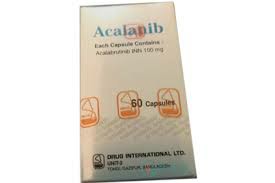
In patients who achieved a complete response, the response lasted beyond the time acotinib was discontinued. 1-year PFS and CR duration were 55% (95%CI, 29%-41%). While targeted therapies can help improve outcomes in MCL, the disease remains incurable. For those with relapsed or refractory disease, CD19-targeted CAR T-cell therapy provides durable disease control at the expense of severe immune-related toxicities. Acotinib has been found to have a synergistic effect with CD19-targeted CAR T cell therapy.
This single-center, dose-escalation trial recruitedPatients with MCL who had received at least 1 prior course of therapy, including 3 to 7 months of BTK inhibitors, without evidence of PD before leukapheresis. Patients received a single intravenous infusion of TN/MEM-enriched CD19.28.z.EGFRt-CAR T cells (fixed dose) and acotinib (100 mg twice daily).
The mean age of patients was63 years (range, 38-70 years), and the majority were male (75%). More than half of the patients had intermediate or high-risk disease on the Simplified Mantle Cell Lymphoma International Prognostic Index (62.5%), 50% had a Ki-67 proliferation index of 30% or greater, 75% had a TP53 mutation, 12.5% u200bu200bhad a complex karyotype, and 75% had bone marrow involvement of 10% or greater at enrollment.
The median number of previously treated lines was2 (range, 2-3). 75% of patients experienced early relapse after first-line therapy, 25% had previously received autologous stem cell transplantation, 62.5% had previously received bendamustine (Bendeka), and 50% had received bendamustine within 1 year before leukapheresis. The median duration of BTK inhibitor therapy before leukapheresis was 6.1 months (range 4.5-7.3), and the ORR achieved with BTK inhibitors at enrollment was 75%.
Additional data showed that peak CAR T levels occurred at a median of 11 days and 8 days for patients at dose levels 1 and 2, respectively. Notably, peak CAR T levels were 20-fold higher in patients treated with dose level 1 than in patients treated with dose level 2. CAR T cells were present in 75% of evaluable patients (n = 8) 6 months or more after infusion. No differences in CAR T product phenotype were observed across dose levels or prior exposure to bendamustine.
Regarding safety,Cytokine release syndrome (CRS) occurred in 62.5% of patients. The median time to onset after infusion was 3 days (range 1-4) and the median duration was 4 days (range 2-5). These patients received tocilizumab (25%) or intravenous immune globulin (37.5%).
The most common treatment-emergent adverse effects (TEAEs) in all patients (n=8) included anemia, neutropenia, thrombocytopenia, lymphopenia, fatigue, pain, nausea, vomiting, hypoalbuminemia, hypophosphatemia, hypertension, and anorexia; accrual in patients at dose level 2 was ongoing.
[ 免责声明 ] 本页面内容来自公开渠道(如FDA官网、Drugs官网、原研药厂官网等),仅供持有医疗专业资质的人员用于医学药学研究参考,不构成任何治疗建议或药品推荐。所涉药品可能未在中国大陆获批上市,不适用于中国境内销售和使用。如需治疗,请咨询正规医疗机构。本站不提供药品销售或代购服务。


