
.jpeg)
Akatinib/Axi-Cel produces initial response in relapsed/refractory B-cell lymphoma
Acalabrutinib was added to the anti-CD19 CAR T-cell therapy axicabtagene in patients with relapsed/refractory B-cell lymphoma, according to data from a Phase 1/2 open-label trial (NCT04257578) presented at the 2024 Transplantation & Cell Therapy Meeting Ciloleucel (axi-cel; Yescarta) was well tolerated and safe, and the treatment also produced high and potentially durable response rates.
The results showed that94% of patients (n=17/18) successfully transitioned from leukapheresis to lymphodepletion using the single agent acotinib, with 1 patient requiring additional radiation therapy. In addition, 67% of patients achieved complete response (CR). At 12 months, 61% of patients remained in complete remission. Notably, 40% (n=2) of patients who were in partial response 1 month after CAR T-cell therapy converted to CR after additional time and acotinib administration.
Further survival assessment showed that at a median follow-up of 15.2 months (range, 1.9-35.6 months), 78% of patients were alive and 11 patients were progression-free. At data cutoff, neither median progression-free survival (PFS) nor median overall survival (OS) had been reached. The 6-month and 12-month OS rates were both 78%, and the 6-month and 12-month PFS rates were both 61%. Similar to previous studies in chronic lymphocytic leukemia (CLL), acotinib may reduce the severity of cytokine release syndrome (CRS), and since no grade 3 or higher CRS was observed in this study, acotinib may also serve as an effective bridge to CAR T-cell therapy.
Second-generation covalentThe BTK inhibitor acalabrutinib has previously been approved by the U.S. Food and Drug Administration (FDA) for use in patients with hematological malignancies. The drug first received accelerated approval in 2017 for the treatment of adult patients with mantle cell lymphoma who had received at least 1 prior line of therapy, and was subsequently approved in 2019 for the treatment of adult patients with CLL or small lymphocytic lymphoma.
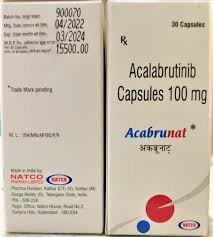
In several preclinical models, it was foundBTK inhibitors have immunomodulatory effects and have the potential to increase CAR T expansion, engraftment, and tumor clearance and reduce the incidence and severity of CRS in CLL. Therefore, the researchers hypothesized that acotinib might enhance the efficacy and safety of CD19-targeted CAR T cell therapy, thereby providing a feasible bridging strategy for patients with B-cell lymphoma. Therefore, the safety and efficacy of acotinib plus anti-CD19 CAR T cell therapy in this population were studied and immune correlation analysis was performed. The trial enrolled patients 18 years of age or older with histologically confirmed large B-cell lymphoma (LBCL) and indolent follicular lymphoma (FL) who met criteria to receive commercially available axi-cel under FDA labeling.
LBCL subtypes include primary mediastinal LBCL, high-grade B-cell lymphoma, diffuse large B-cell lymphoma (DLBCL), and DLBCL caused by FL. Patients also needed to have adequate organ and bone marrow function, radiologically measurable disease, and an ECOG performance status of 0 or 1. The study's primary endpoint was safety based on the incidence of grade 3 or higher CRS or ICANS within 30 days of axi-cel infusion. Bridging success (defined as receipt of acotinib without additional therapy between leukapheresis and lymphodepletion) was also assessed. Other key endpoints include overall response rate and CR, PFS, OS and immune response biomarkers following axi-cel infusion.
As of January 2024, 18 patients have been enrolled in the study and received axi cell infusion. The median age of patients was 58 years (range, 34-74 years), and 67% of patients were 60 years or younger. The majority of patients were white (89%) and had LBCL (83%), and 78% had d LBCL (not otherwise specified). A total of 17% of patients had fatty liver disease. Among patients with relapsing disease (67%), 50% relapsed within 1 year of first treatment. The median number of previous treatments was three (range, 1-5), and 28% of patients had received a previous stem cell transplant. When starting acotinib, 33% of patients had disease volume greater than 5 cm. The median time from initiation of acotinib to lymphadenectomy was 32 days.
The researchers also evaluatedCR rates based on biological covariates, such as disease volume, disease refractory, cell of origin, and mixed status. CR rates were higher in patients with disease volume greater than 5 cm, relapse rather than primary refractory disease, non-germinal center B cell (GCB) rather than GCB subtype, and without MYC overexpression or translocation. Additionally, myeloid-derived suppressor cell (MDSC) levels decreased from baseline levels throughout treatment.
The most common non-hematologic toxicities of any grade included bradycardia and headache, each occurring in5% of patients. There were no grade 3 or higher non-hematologic AEs and no treatment-related deaths were observed. The median duration of acotinib treatment in 3 patients was 6 days, but no patient discontinued treatment at any time due to toxicity.
Acotinib is usedOne patient had grade 1 bradycardia of unknown etiology, which resolved spontaneously after 5 days; one patient had nausea/vomiting due to radiation during the bridging period; one patient developed systemic inflammatory response syndrome criteria of unknown etiology, which was resolved with augmentin. In all cases, acotinib was successfully restarted without recurrence of symptoms.
[ 免责声明 ] 本页面内容来自公开渠道(如FDA官网、Drugs官网、原研药厂官网等),仅供持有医疗专业资质的人员用于医学药学研究参考,不构成任何治疗建议或药品推荐。所涉药品可能未在中国大陆获批上市,不适用于中国境内销售和使用。如需治疗,请咨询正规医疗机构。本站不提供药品销售或代购服务。


