
.jpeg)
The Difference Between Selegiline and Rasagiline
The differences between selegiline and rasagiline are mainly reflected in the following aspects:
Selegiline is the first generation monoamine oxidase inhibitor. By inhibiting the activity of monoamine oxidaseB (MAO-B), it reduces the decomposition of dopamine, thereby increasing the concentration of dopamine in the brain. Rasagiline is a second-generation monoamine oxidase inhibitor that has a stronger inhibitory effect on monoamine oxidase and can more effectively block the breakdown of the neurotransmitter dopamine. Its inhibitory effect is 5-10 times stronger than that of selegiline, and it can also improve the efficacy of dopa preparations in patients with long-term use.
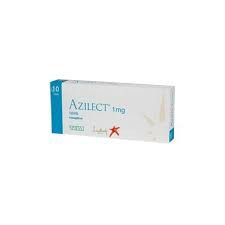
Selegiline is mainly used as a single drug to treat early-stage Parkinson's disease, or in combination with levodopa to treat motor fluctuations. But it may increase the side effects of levodopa. Rasagiline is suitable for the early treatment of Parkinson's disease and the combined use of moderate and severe Parkinson's disease with levodopa. It can significantly control symptoms, reduce fluctuations, and has certain neuroprotective effects.
The metabolites of selegiline may have pharmacological activity and may cause adverse reactions such as dry mouth and sleep disorders, and may increase the adverse reactions of levodopa. The metabolite of rasagiline is an inactive, non-amphetamine substance with relatively minor side effects. Its adverse reactions are less frequent and mild, thanks to its unique drug design and metabolic properties.
Selegiline is available in a variety of dosage forms, including tablets and capsules, and has been widely used for many years. Rasagiline is a new generation drug whose safety and effectiveness have been confirmed by multiple studies and has shown long-term improvement in Parkinson's disease symptoms.
[ 免责声明 ] 本页面内容来自公开渠道(如FDA官网、Drugs官网、原研药厂官网等),仅供持有医疗专业资质的人员用于医学药学研究参考,不构成任何治疗建议或药品推荐。所涉药品可能未在中国大陆获批上市,不适用于中国境内销售和使用。如需治疗,请咨询正规医疗机构。本站不提供药品销售或代购服务。


