
.jpeg)
Are there significant differences between selegiline and rasagiline?
There are significant differences between selegiline and rasagiline. Although both drugs are monoamine oxidase inhibitors and are used to treat Parkinson's disease, they differ in several ways.
Selegiline and rasagiline are both monoamine oxidase inhibitors, but their mechanisms of action are slightly different. As a first-generation monoamine oxidase inhibitor, selegiline mainly inhibits the activity of monoamine oxidase B (MAO-B) and reduces the decomposition of dopamine, thereby increasing the concentration of dopamine in the brain. Rasagiline is a second-generation monoamine oxidase inhibitor that has a stronger inhibitory effect on monoamine oxidase and can more effectively block the breakdown of the neurotransmitter dopamine. This difference makes rasagiline potentially more effective in treating Parkinson's disease.
Selegiline is mainly used as a single agent to treat early Parkinson's disease, and can also be used in combination with levodopa or levodopa/peripheral dopa decarboxylase inhibitors. Especially when patients with Parkinson's disease experience motor fluctuations, such as end-dose fluctuations caused by high-dose levodopa treatment, the combination of selegiline and levodopa can significantly improve symptoms. However, while selegiline increases the effect of levodopa, it may also increase the adverse reactions of levodopa.
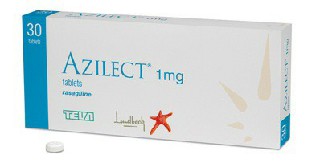
In contrast, the efficacy of rasagiline is more significant. It can not only be used as a first-line drug for the early treatment of Parkinson's disease, but can also be used in conjunction with compound levodopa for patients with moderate and severe Parkinson's disease. Rasagiline can significantly control the symptoms of Parkinson's disease, reduce symptom fluctuations, and increase patients' "on" time. In addition, rasagiline also has a certain neuroprotective effect, which selegiline does not have.
There are also differences in drug metabolism between selegiline and rasagiline. Selegiline is mainly metabolized by the liver in the body, and its metabolites may have certain pharmacological activities. The metabolite of rasagiline is an inactive, non-amphetamine substance, which means its side effects may be relatively minor.
In terms of side effects, selegiline may cause adverse reactions such as dry mouth, transient increases in serum aminotransferase values, and sleep disorders. At the same time, because selegiline can increase the effect of levodopa, it may increase the adverse reactions of levodopa, such as involuntary movements, nausea, agitation, confusion, hallucinations, etc. In contrast, rasagiline's side effects are relatively few and mild, thanks to its unique drug design and metabolic properties.
In terms of drug interactions, both selegiline and rasagiline may interact with other medications. For example, when used with levodopa, the dose of levodopa may need to be adjusted to reduce adverse effects. In addition, both drugs may be contraindicated for certain groups of people (such as patients with hyperthyroidism, adrenal medulla tumors, etc.).
In summary, there are significant differences between selegiline and rasagiline. Although they are all monoamine oxidase inhibitors and used to treat Parkinson's disease, they are different in terms of mechanism of action, efficacy and indications, drug metabolism and side effects, and drug interactions. When choosing to use these two drugs, doctors need to make comprehensive considerations based on the patient's specific conditions.
[ 免责声明 ] 本页面内容来自公开渠道(如FDA官网、Drugs官网、原研药厂官网等),仅供持有医疗专业资质的人员用于医学药学研究参考,不构成任何治疗建议或药品推荐。所涉药品可能未在中国大陆获批上市,不适用于中国境内销售和使用。如需治疗,请咨询正规医疗机构。本站不提供药品销售或代购服务。


