
.jpeg)
Lenvatinib combination prolongs OS and PFS in advanced endometrial cancer subgroup
Compared with chemotherapy, lenvatinib plus pembrolizumab improves overall survival (OS) and progression-free survival (PFS) in most patients with advanced/recurrent endometrial cancer. However, prespecified statistical criteria for these endpoints were not met in patients with mismatch repair proficient (pMMR) disease, according to findings from the phase 3 ENGOT-en9/LEAP-001 study (NCT03884101).
In the prespecified analysis population, among patients with pMMR disease, median PFS was 9.6 months for lenvatinib plus pembrolizumab versus 10.2 months for chemotherapy, with median OS of 30.9 months and 29.4 months, respectively. Among all enrolled populations, the median PFS in each group was 12.5 months vs. 10.2 months, and the median OS was 37.7 months vs. 32.1 months. Among patients with pMMR who had previously received neoadjuvant or adjuvant chemotherapy, the median PFS in the lenvatinib plus pembrolizumab group was 12.5 months, compared with 8.3 months in the chemotherapy group. The 12-month and 24-month PFS rates were 51.0% and 25.4%, and 26.6% and 8.5%, respectively. Across all enrolled populations, the median PFS in each group was 15.0 months and 8.3 months, respectively. In addition, the 12-month PFS rate in this population was 56.1% vs. 25.1%, and the 24-month PFS rate was 31.8% vs. 8.6%.
Among patients with pMMR disease who had previously received neoadjuvant or adjuvant chemotherapy, the median OS was 34.2 months in the lenvatinib/pembrolizumab group compared with 21.1 months in the chemotherapy group. At 12 months and 24 months, the overall survival rates of the two groups were 81.1% and 80.4% and 62.3% and 45.1%, respectively. Among all participants who had previously received neoadjuvant or adjuvant chemotherapy, the median OS in the lenvatinib/pembrolizumab group and the chemotherapy group were 34.2 months and 22.1 months, respectively. The 12-month and 24-month OS rates of the two groups were 84.1% vs. 82.8% and 66.7% vs. 46.6%, respectively.
In the pMMR population who had previously received adjuvant or neoadjuvant chemotherapy, the objective response rate (ORR) of lenvatinib combined with pembrolizumab was 60.4%, and the objective response rate of chemotherapy was 43.1%. The median duration of response (DOR) in this population was 16.6 months, compared with 8.3 months in each arm. Among all participants, the ORR in the two groups was 63.5% and 43.1%, respectively, and the median DOR was 19.9 months and 8.3 months, respectively.
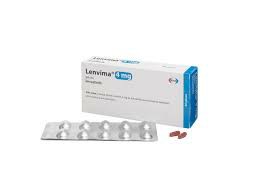
These data confirm that [lenvatinib/pembrolizumab] is an effective combination in the treatment of endometrial cancer and should be considered an important treatment option for advanced endometrial cancer that has progressed despite systemic therapy in any settingpMMR. In the LEAP-001 study, 842 patients were randomized 1:1 to receive lenvatinib (20 mg orally once daily) plus pembrolizumab (200 mg intravenously every 3 weeks) for 35 cycles or paclitaxel (175 mg/m2 intravenously plus carboplatin every 3 weeks) for 7 cycles.
The trial's dual primary endpoints were PFS based on blinded independent central review using RECIST v1.1 criteria and OS. Secondary endpoints include ORR, safety, and health-related quality of life (HRQOL). Dole is an exploratory endpoint. Patients with stage III, stage IV, or recurrent endometrial cancer with imaging findings can participate in the study. Other eligibility criteria include ECOG performance status of 0 or 1 and tumor tissue available for mismatch repair testing. Patients who had not previously received chemotherapy in addition to 1 previous dose of neoadjuvant or platinum-containing adjuvant chemotherapy were eligible if they relapsed 6 months or more after the last dose.
The pMMR population included 320 patients in the lenvatinib/pembrolizumab arm and 322 patients in the chemotherapy arm. Additionally, among patients with mismatch repair-deficient (dMMR) disease, there were 100 patients each in the lenvatinib/pembrolizumab and chemotherapy arms. Among all enrolled people, the median age in the combination therapy group was 63 years (range, 22-93 years), and the median age in the chemotherapy group was 64 years (range, 32-88 years). 17.6% and 16.1% had previously received chemotherapy and/or chemoradiotherapy. In addition, the majority of patients had endometrioid histology (66.7% vs. 67.1%), which included high-grade endometrioid carcinoma (33.1% vs. 30.1%) and non-high-grade endometrioid carcinoma (33.6% vs. 37.0%).
In patients with dMMR disease, lenvatinib plus pembrolizumab had a median PFS of 31.8 months, compared with 9.0 months for chemotherapy. Of note, a higher proportion of patients in the chemotherapy group received subsequent treatment. The ORR for patients with dMMR who received lenvatinib plus pembrolizumab was 72.0%, while the ORR for patients who received chemotherapy was 58.0%. In each corresponding group, the median DOR was NR vs 11.7 months. HRQOL results were broadly comparable between the lenvatinib/pembrolizumab and chemotherapy groups, although the experimental combination achieved improvements in neuropathy and alopecia.
The median treatment duration for lenvatinib plus pembrolizumab was 316.5 days compared with 126.0 days in the chemotherapy group. In addition, 99.5% and 98.5% of patients in the two groups, respectively, experienced adverse reactions (AEs) of any grade, 97.9% and 96.8% of patients experienced any treatment-related AEs (TRAEs), 71.7% and 40.9% of patients experienced AEs leading to treatment interruption, and 47.4% and 19.5% of patients experienced AEs leading to treatment interruption.
The most common any-grade TRAEs in the lenvatinib plus pembrolizumab group included hypertension, hypothyroidism, and diarrhea. In the chemotherapy group, common TRAEs of any grade included alopecia, anemia, and nausea. Adverse events of particular interest of any grade in the lenvatinib/pembrolizumab arm appeared to be comparable to previous reports with pembrolizumab monotherapy, except for increases in hypothyroidism, hyperthyroidism, and colitis.
[ 免责声明 ] 本页面内容来自公开渠道(如FDA官网、Drugs官网、原研药厂官网等),仅供持有医疗专业资质的人员用于医学药学研究参考,不构成任何治疗建议或药品推荐。所涉药品可能未在中国大陆获批上市,不适用于中国境内销售和使用。如需治疗,请咨询正规医疗机构。本站不提供药品销售或代购服务。


