
.jpeg)
In non-small cell lung cancer, is osimertinib better to use alone or in combination with chemotherapy?
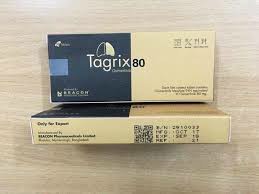
The U.S. Food and Drug Administration (FDA) has approved Osimertinib/Tagressa (Osimertinib) for two indications in patients with epidermal growth factor receptor (EGFR) mutations. Baseline testing for EGFR mutations in plasma may identify a subgroup of patients who benefit most from platinum-pemetrexed plus osimertinib as first-line treatment for advanced non-small cell lung cancer with EGFR mutations, a clinical trial examining osimertinib alone or in combination with chemotherapy.
An exploratory analysis of the FLAURA2 trial found that combination therapy prolonged progression-free survival (PFS) when patients had an EGFR mutation on baseline circulating tumor DNA (ctDNA) testing. In this patient group, patients who received osimertinib plus pemetrexed plus cisplatin or carboplatin had a PFS advantage of nine months compared with those who received osimertinib alone. In contrast, when patients do not have EGFR mutations after baseline ctDNA testing, osimertinib alone appears to provide similar PFS results to combination therapy but with less toxicity.
The FLAURA2 trial randomized 557 patients into two groups. One group received the same dose of osimertinib every day, and the other group received pemetrexed in combination with cisplatin or carboplatin every 3 weeks for 4 cycles, and then every 3 weeks until disease progression or unacceptable toxicity. Patients were tested for Ex19del or L858R EGFR mutations at baseline, 3 weeks, and 6 weeks; baseline mutations were found in 73% of evaluable patients. The study used digital droplet polymerase chain reaction (Biodesix) to test for EGFR mutations, a method not commonly used. Clinicians often use next-generation sequencing, which is less sensitive and can lead to false negatives.
Among patients with baseline mutations, median PFS was 24.8 months in the combination arm compared with 13.9 months in the osimertinib alone arm (hazard ratio [HR], 0.60). Among patients without baseline mutations, median PFS was similar, 33.3 months in the combination group and 30.3 months in the monotherapy group (HR, 0.93; 95% CI, 0.51-1.72). The researchers also found that baseline mutations were associated with worse outcomes and mutation clearance was associated with improved outcomes, regardless of study group. Clearance occurred faster in patients who received the combination therapy, but almost 90% of patients in both groups cleared their mutations by week 6.
Patients with baselineEGFR mutations also tended to have larger tumors, more brain metastases, and worse performance scores; when these factors are present in patients with baselineEGFR mutations, combination therapy makes sense.
[ 免责声明 ] 本页面内容来自公开渠道(如FDA官网、Drugs官网、原研药厂官网等),仅供持有医疗专业资质的人员用于医学药学研究参考,不构成任何治疗建议或药品推荐。所涉药品可能未在中国大陆获批上市,不适用于中国境内销售和使用。如需治疗,请咨询正规医疗机构。本站不提供药品销售或代购服务。


