
.jpeg)
Savotinib/osimertinib produces response in EGFR mutated, MET amplified, and osimertinib-resistant non-small cell lung cancer
SelectiveMET in patients with EGFR-mutated, methionine-amplified advanced non-small cell lung cancer (NSCLC) , according to a proteomic analysis. The TKI Savolitinib was added to Osimertinib/Tagressa and demonstrated consistent safety and improved clinical activity compared with Savolitinib plus placebo in patients whose disease had previously progressed on Savolitinib.
The study results showed that in the entire patient population (n=30), the objective response rate (ORR) of saivotinib plus osimertinib was 57% (95% CI, 29%-82%), while the ORR of saivotinib plus placebo was 13% (95% CI, 2%-38%). This is entirely a partial response. The proportion of patients with stable disease (SD) for 5 weeks or more was 36% in the combination group and 31% in the placebo plus savitinib group. In both groups, 7% and 50% of patients experienced disease progression.
Across the entire population, median progression-free survival (PFS) was 7.4 months (95% CI, 5.6 to not calculatable (NC)) in the sivotinib plus osimertinib group compared with 1.6 months (95% CI, 1.3-4.1) in the sivotinib plus placebo group (HR, 0.07; 95% CI, 0.01-0.25). The median duration of response (DOR) was 30.6 weeks (95% CI, 18.9-NC) in the experimental group and NC (95% CI), 12.4-NC in the control group.
Further efficacy analysis in patients with higher cutoffs for MET amplification and/or overexpression (n=15) showed greater clinical activity with the combination regimen compared with placebo, with ORRs of 63% (95% CI, 24%-91%) and 29% (95% CI, 4%-71%), respectively. 38% and 29% of patients in the experimental and control groups respectively achieved SD for 5 weeks or longer. No patients in this group experienced disease progression while taking savotinib plus osimertinib, compared with 43% of patients in the control group. Median PFS was 8.2 months (95% CI, 4.1-NC) compared with 4.0 months (95% CI, 1.3-NC) for saivotinib plus placebo; the median DOR for these corresponding groups was 30.6 weeks (95% CI, 23.0-NC) and NC (95% CI, 12.4-NC), respectively.
Of note, this study was terminated early based on the early anti-tumor activity found in the phase 2 SAVANNAH study of osimertinib (NCT03778229) in the same population. The SAVANNAH study used savitinib at a dose of 300 mg twice daily and a higher MET overexpression cutoff.
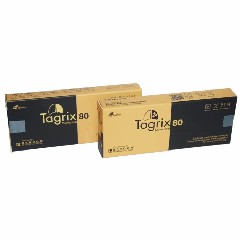
Although the third-generation central nervous system activeTKI osimertinibis considered the first-line standard of care for advancedEGFR-mutated NSCLC, most patients eventually develop osimertinib resistance, reducing the efficacy of the drug. Since one of the most common acquired mechanisms of resistance to osimertinib is MET amplification, the addition of the oral, potent and highly selective MET TKI sevotinib may help overcome this acquired resistance.
Therefore, this phase 2 double-blind study was conducted to evaluate the individual efficacy and safety contributions of saivotinib plus osimertinib combination treatment of EGFR-mutated and MET-amplified NSCLC. The trial enrolled patients 18 years of age or older, or at least 20 years of age in Japan, with locally advanced or metastatic NSCLC who displayed a known EGFR sensitizing mutation along with MET amplification. MET amplification and/or overexpression was defined as a MET gene copy number of at least 5/fluorescence in situ hybridization (FISH) and/or a MET/CEP7 ratio of 2 or more, with central confirmation by FISH. Although patients were not required to receive osimertinib as their most recent therapy, prior osimertinib therapy was required. Other inclusion criteria were 3 or fewer prior lines of therapy for advanced NSCLC and an ECOG performance status (PS) of 0 or 1.
After enrollment, patients were stratified according to whether they had received oximatinib monotherapy in the first line or later. Patients were randomly assigned in a 1:1 ratio to receive 300 mg of saivotinib and 80 mg of osimertinib daily, rather than 300 mg of saivotinib plus placebo. Plasma samples were collected on day 1, week 3, and week 6 before the initial dose.
The primary endpoint is investigator-assessed ORR according to RECIST v1.1 criteria. Key secondary endpoints include best DOR, PFS, overall survival and safety. Efficacy in patients with a higher MET amplification/overexpression cutoff of FISH 10+ and/or at least 90% of tumor cells staining 3+ by immunohistochemistry was an exploratory endpoint. Assessments continued every 6 weeks for the first 24 weeks until the patient experienced objective disease progression, unacceptable toxicity, withdrew consent, or met another discontinuation criterion. Of note, patients in the control group were allowed to cross over to the experimental protocol if their disease progressed during the study; all patients were allowed to do so after early unblinding.
Overall, 29 patients had evaluable baseline plasma EGFR mutation results. Among these patients, 12 patients (n = 14) in the experimental group and 13 patients (n = 15) in the control group had detectable plasma EGFR-mutated circulating tumor DNA (CT DNA) at baseline. At week 3, ctDNA clearance demonstrated benefit of the sivotinib combination. 6 patients who received saivotinib combined with osimertiniband 2 patients who received saivotinibPatients treated with placebo achieved a clearance response, an ORR of 63% (95% CI, 24%-91%). Additionally, at this time point, the molecular response rate was 50% (95% CI, 21%-79%) for the servotinib combination and 15% (95% CI, 2%-45%) for the placebo group. However, interpretation of ctDNA clearance is limited due to the lack of week 6 samples. Two patients who crossed over to the experimental arm and had valid post-crossover plasma results showed improved ctDNA responses after treatment initiation.
Regarding safety, the toxicity profile of savotinib and osimertinib in this study was consistent with known data, and no new safety signals were reported. All patients experienced 1 or more adverse reactions (AEs) during treatment. In the experimental group, 21% of patients reported grade 3 or higher AEs, and 19% experienced serious AEs. In the control group, these percentages were 31% and 19% respectively.
AEs leading to death or treatment discontinuation occurred in 7% of patients in each of the sivotinib plus osimertinib arms; these occurred in 19% and 13% of patients with sivotinib and placebo, respectively. AEs that did not result in death were considered treatment-related; however, grade 2 liver enzyme elevations and grade 3 amylase elevations that resulted in discontinuation were both considered treatment-related.
The most common any-grade AEs in the combination and placebo groups were nausea, peripheral edema, vomiting, increased amylase, decreased appetite, hypoalbuminemia, anemia, dyspnea, headache, hyponatremia, insomnia, pneumonia, arthralgia, constipation, cough, acneiform dermatitis, fatigue, musculoskeletal chest pain, and stomatitis.
[ 免责声明 ] 本页面内容来自公开渠道(如FDA官网、Drugs官网、原研药厂官网等),仅供持有医疗专业资质的人员用于医学药学研究参考,不构成任何治疗建议或药品推荐。所涉药品可能未在中国大陆获批上市,不适用于中国境内销售和使用。如需治疗,请咨询正规医疗机构。本站不提供药品销售或代购服务。


